10 ESSENTIAL THINGS TO KNOW BEFORE YOU START YOUR NEXT WALLPAPER PROJECT!

10 ESSENTIAL THINGS TO KNOW FOR YOUR NEXT WALLPAPER PROJECT!
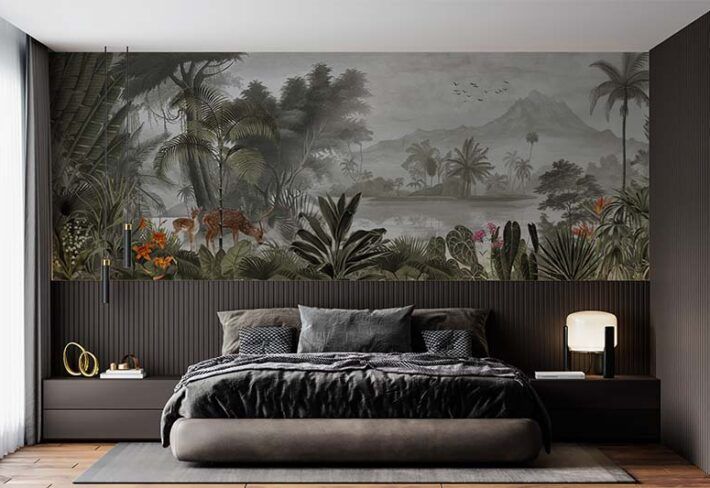
Wallpaper is back — and it’s better than ever.
From subtle textured finishes to bold statement murals, wallpaper can completely transform a space in ways paint simply can’t. Whether you’re updating a single feature wall or redesigning your entire home, understanding the essentials before you start will save you time, money, and frustration.
If you’re planning your next wallpaper project, here are 10 essential things you need to know to get it right the first time.
1. Not All Wallpapers Are Created Equal
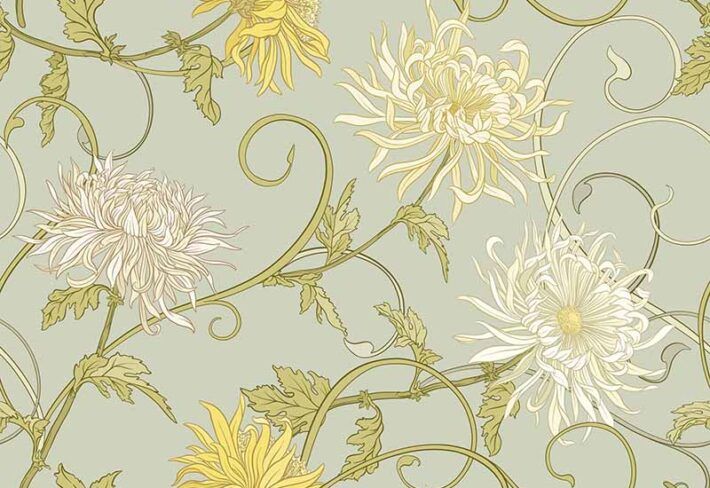
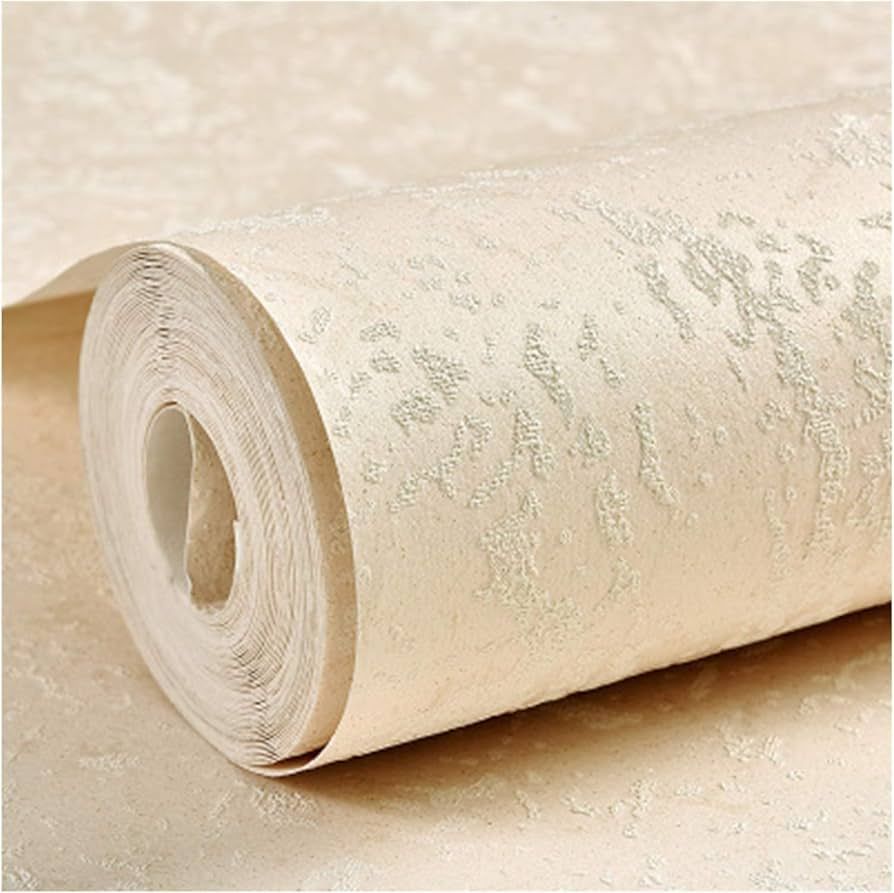
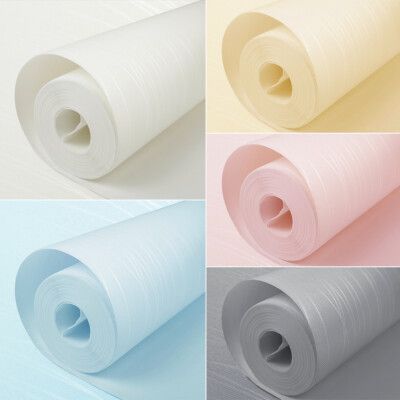
Walk into a showroom or browse online and you’ll quickly realise wallpaper comes in many forms.
The most common types include:
- Vinyl wallpaper – Durable, washable and ideal for kitchens and high-traffic areas.
- Non-woven wallpaper – Breathable and easier to install and remove.
- Textured wallpaper – Adds depth and dimension.
- Murals – Large-scale designs that create dramatic feature walls.
Choosing the right type matters. Bathrooms, hallways, and kids’ rooms require durability.
Bedrooms and living rooms may prioritise aesthetics. Matching the product to the space is the first step toward a successful result.
2. Preparation Is Everything
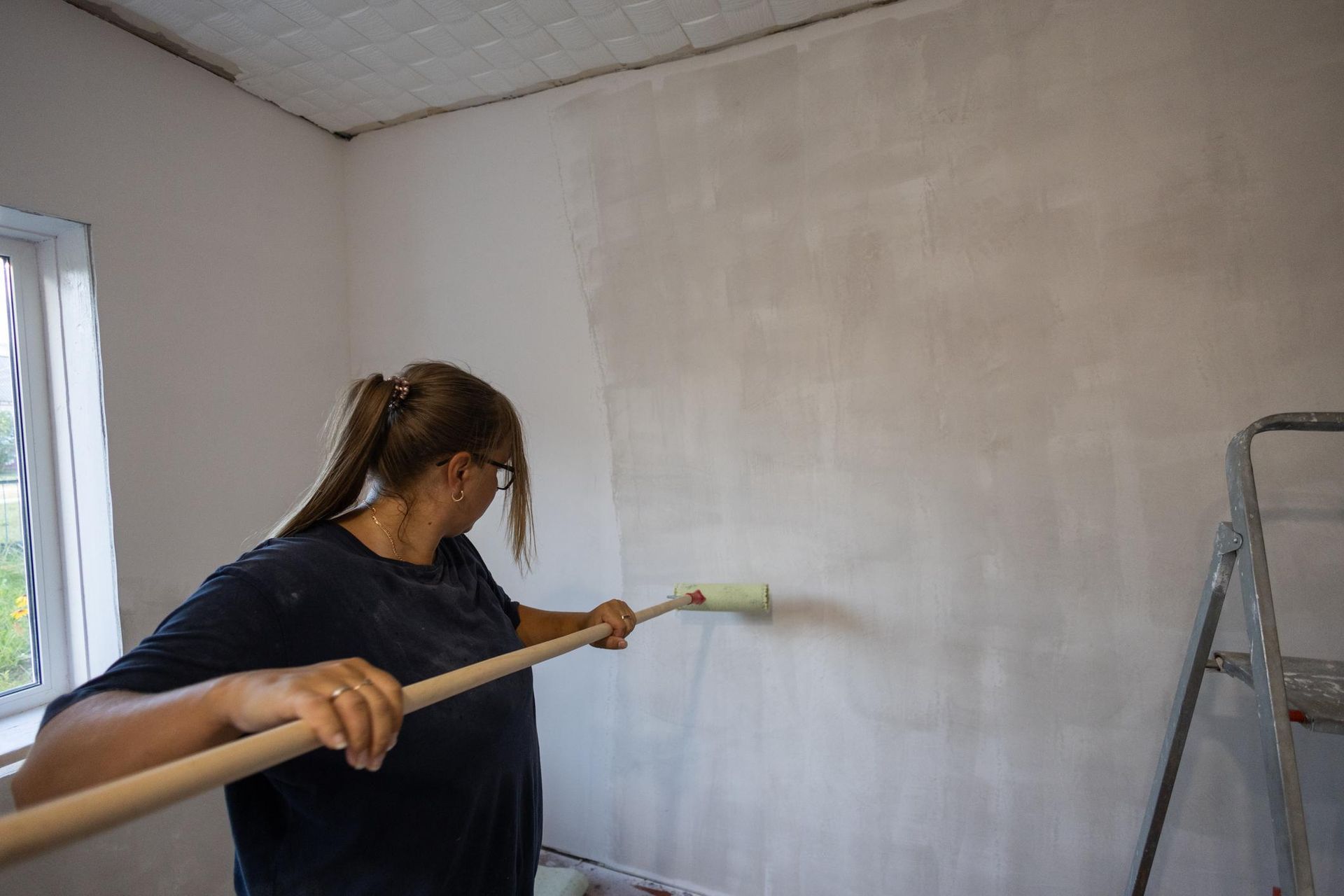
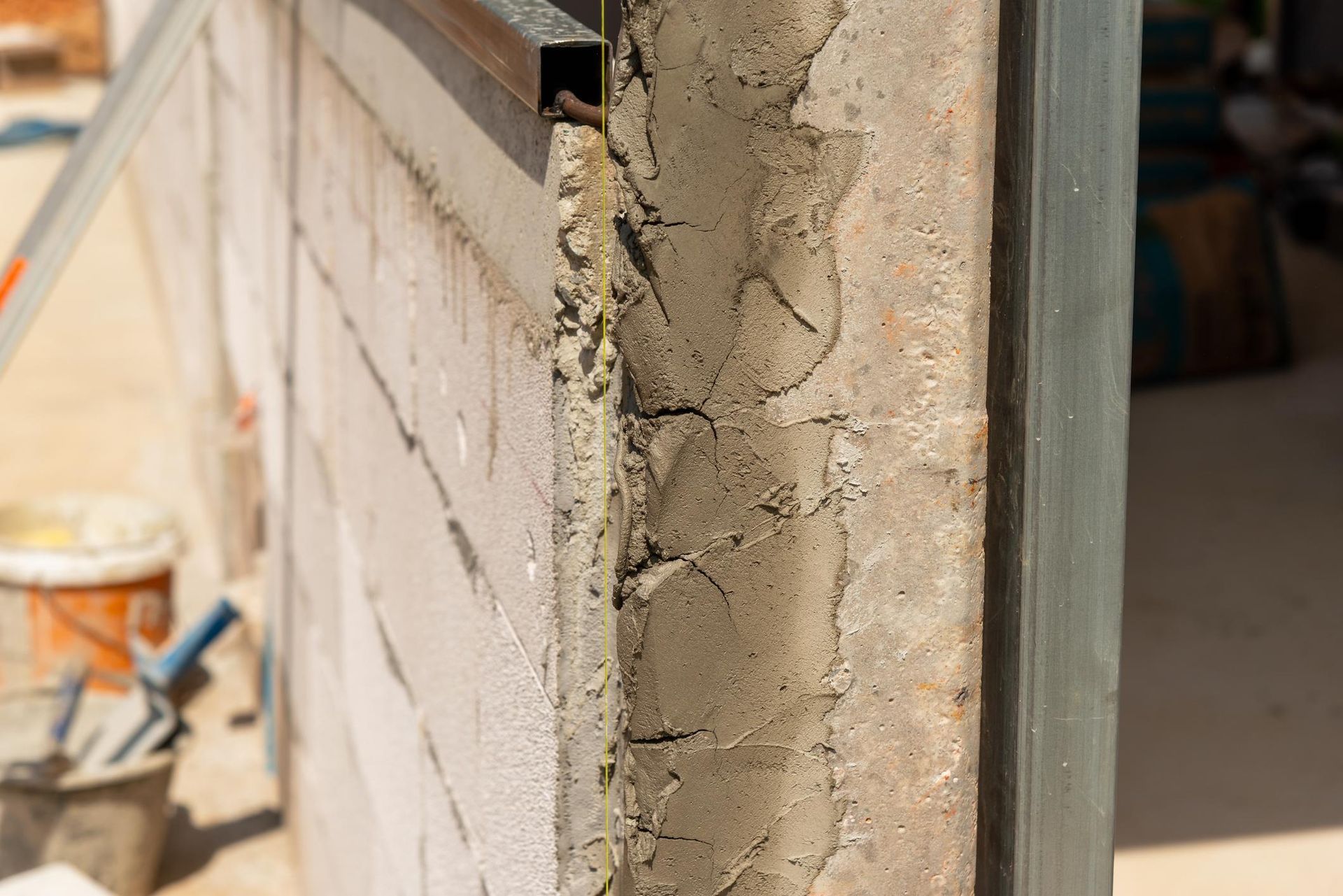
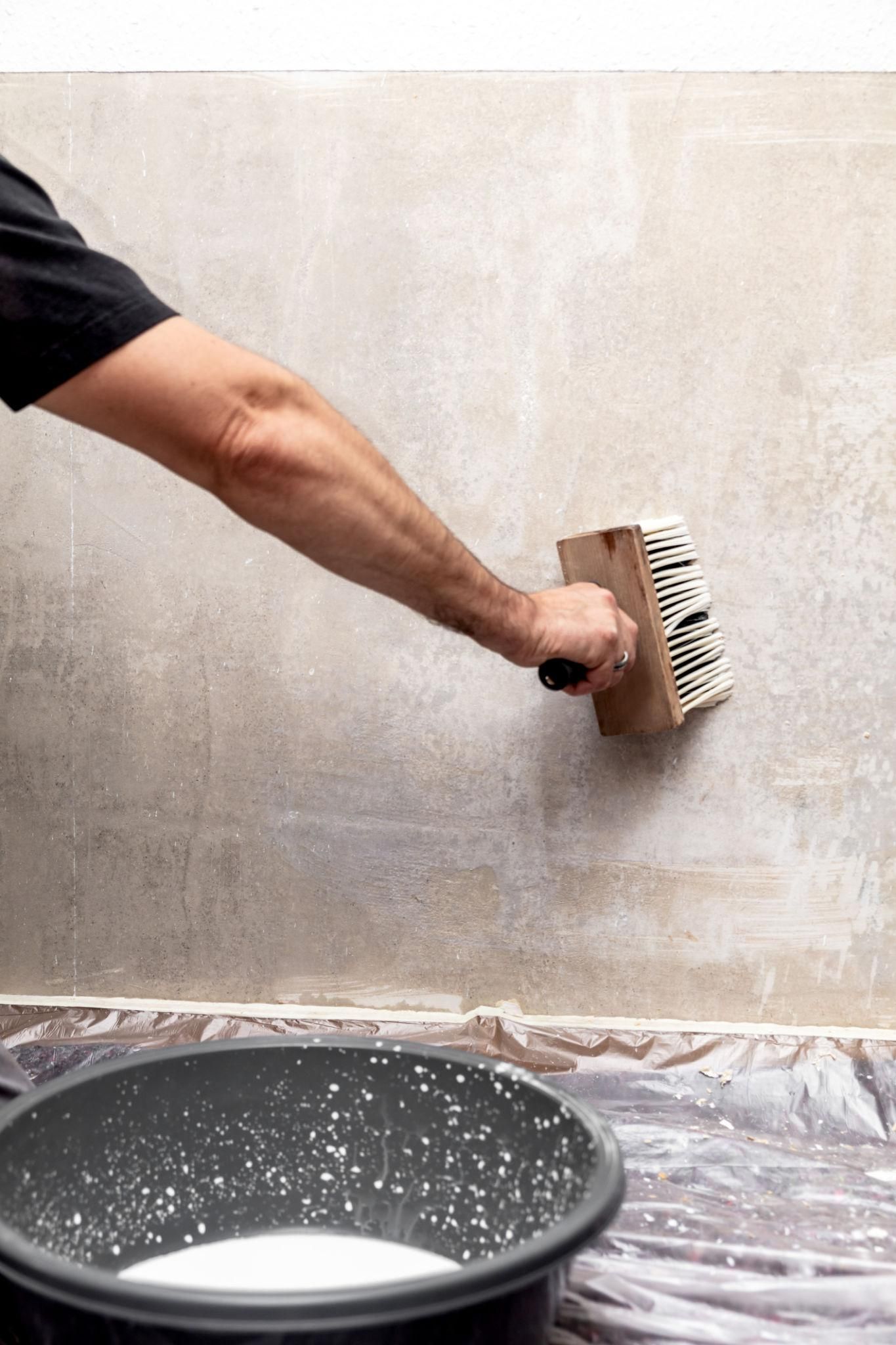
Here’s a truth many people underestimate: Wallpaper magnifies wall imperfections.
Unlike paint, which can hide minor flaws, wallpaper highlights:
- Cracks
- Dents
- Uneven surfaces
- Old adhesive residue
Walls must be:
- Clean
- Smooth
- Dry
- Properly primed
Skipping this step often leads to bubbling, peeling, or visible imperfections beneath the paper.
Professional surface preparation is one of the biggest differences between an average job and a flawless finish.
3. Accurate Measurements Prevent Costly Mistakes
Wallpaper is sold in rolls — and miscalculating can become expensive quickly.
You must account for:
- Wall height and width
- Pattern repeats
- Waste allowance
- Matching alignment
Large patterned designs require extra material to align correctly.
Always order slightly more than calculated — dye lots can vary, and running short can mean visible colour differences if you reorder later.
4. Pattern Matching Requires Skill and Patience
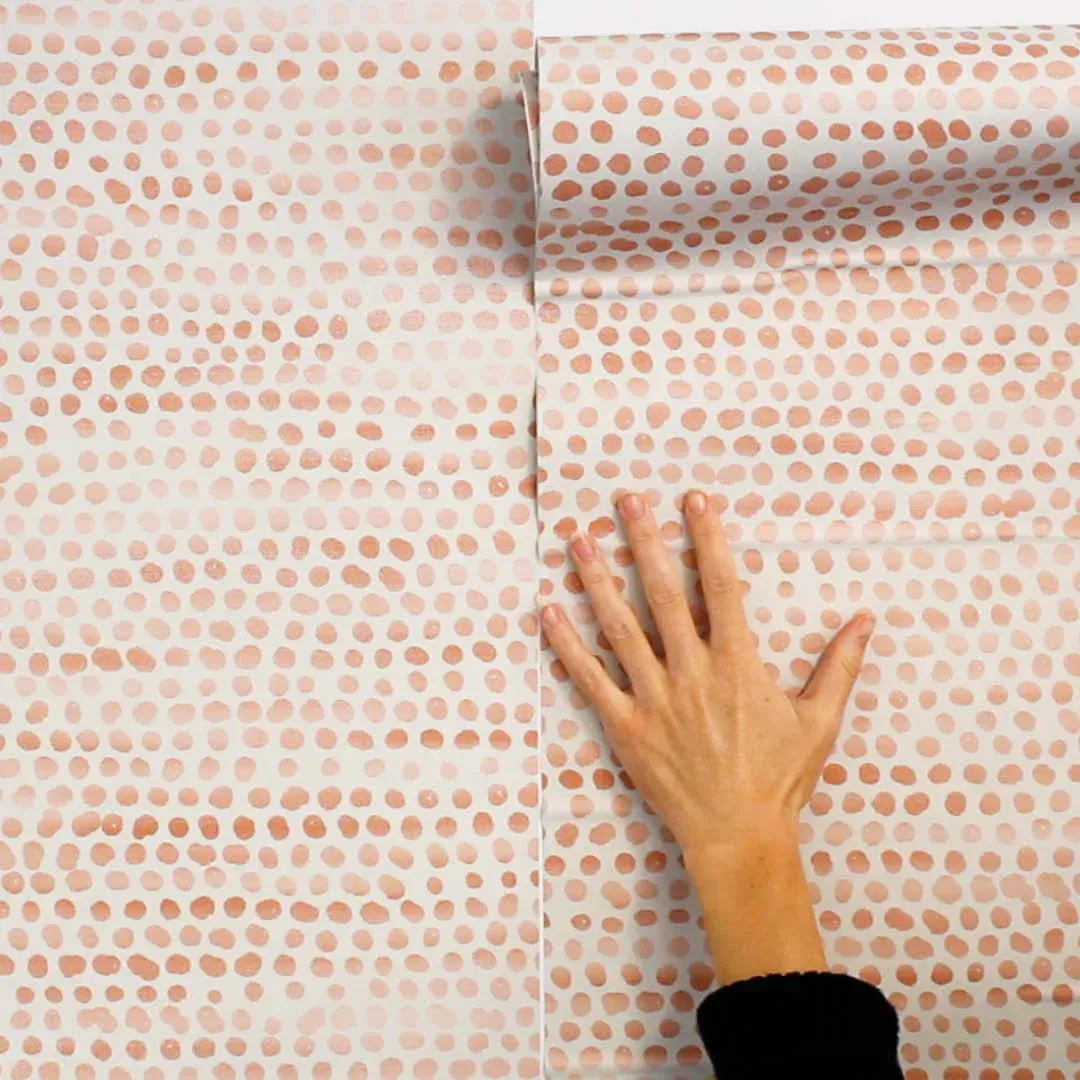
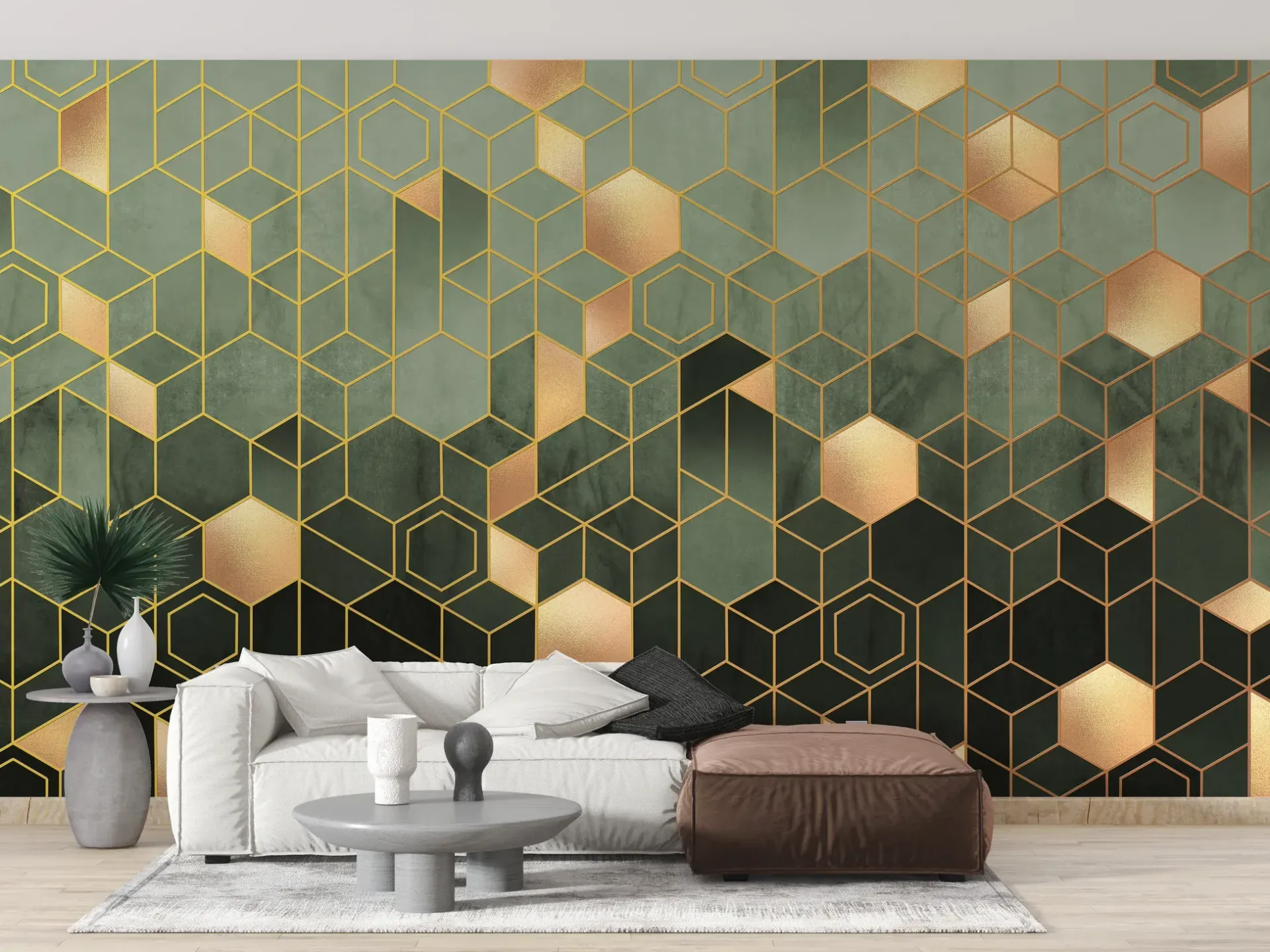
That stunning floral or geometric design? It only looks impressive when the pattern flows seamlessly.
Pattern matching involves:
- Aligning vertical repeats
- Maintaining consistent spacing
- Avoiding visible joins
- Managing corners and edges correctly
Even a few millimetres off can ruin the overall appearance.
This is where professional expertise truly shines.
5. The Right Adhesive Matters
Different wallpaper types require different adhesives.
- Some are paste-the-wall
- Others are paste-the-paper
- Heavy vinyl requires stronger bonding agents
- Bathrooms may need mould-resistant products
Using the wrong adhesive can cause lifting, bubbling, or early failure.
Always follow manufacturer specifications or consult a professional installer.
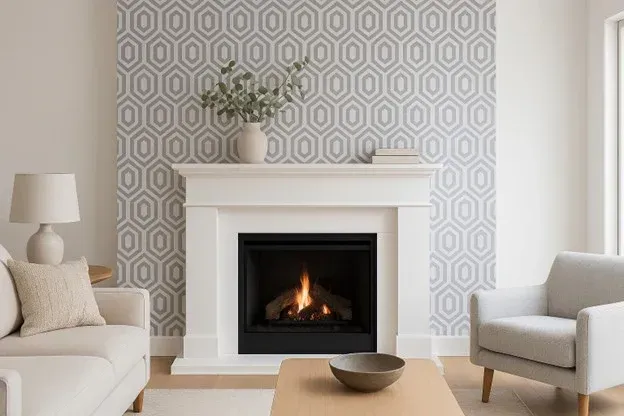
6. Feature Walls Work — But Only When Planned Properly
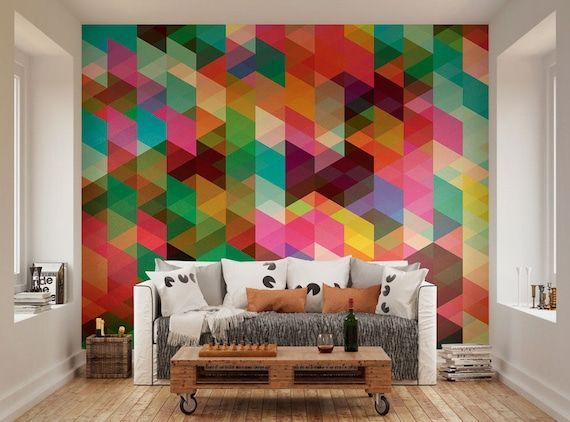
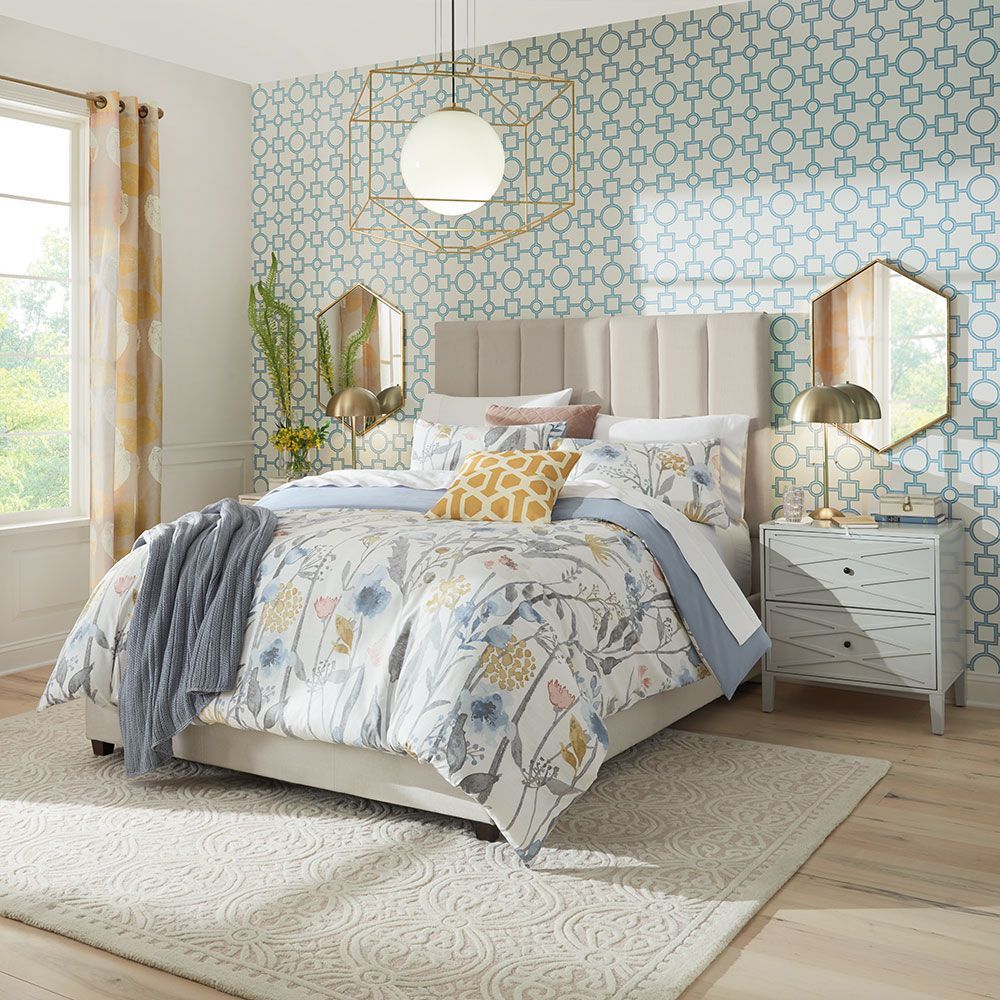
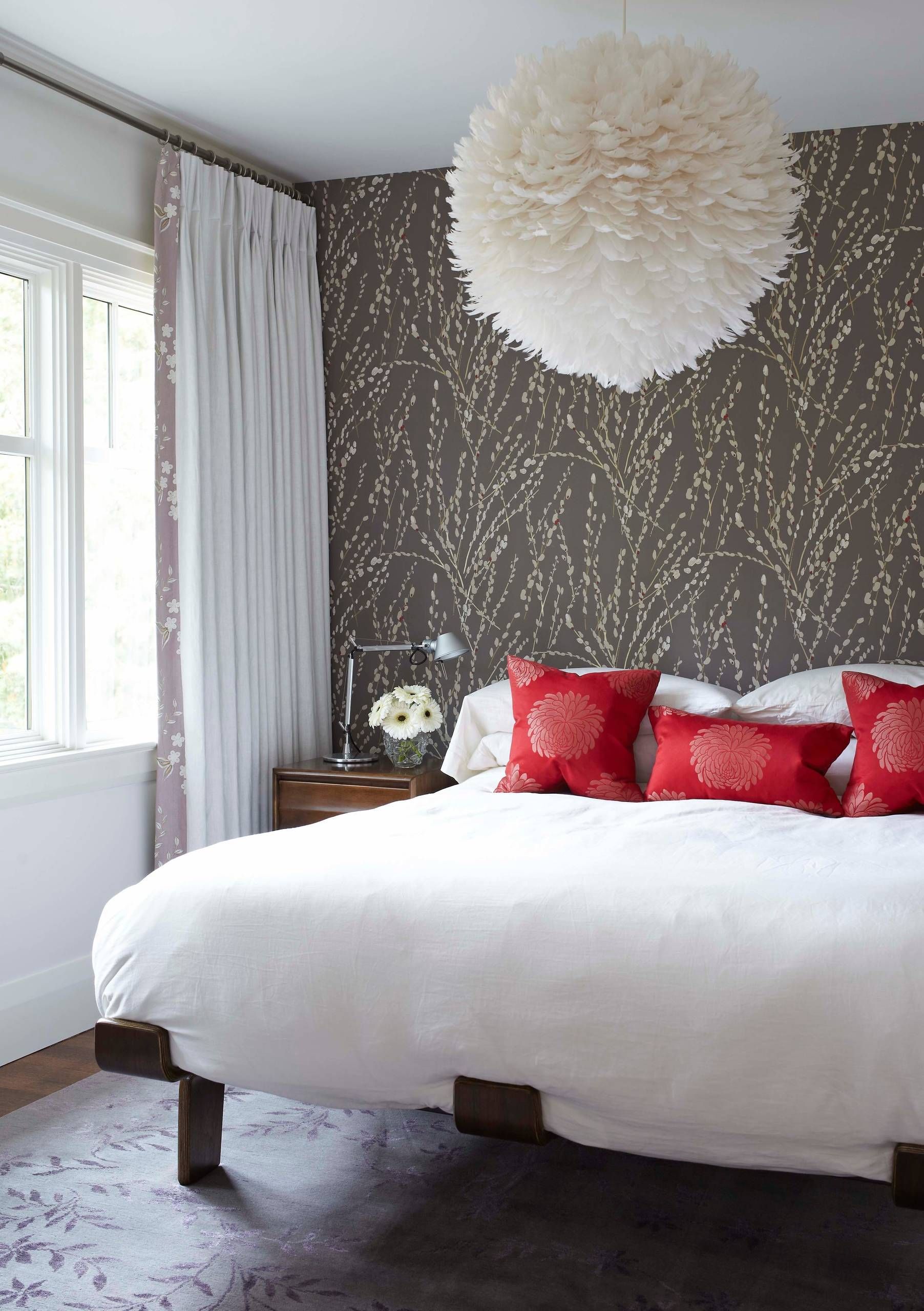
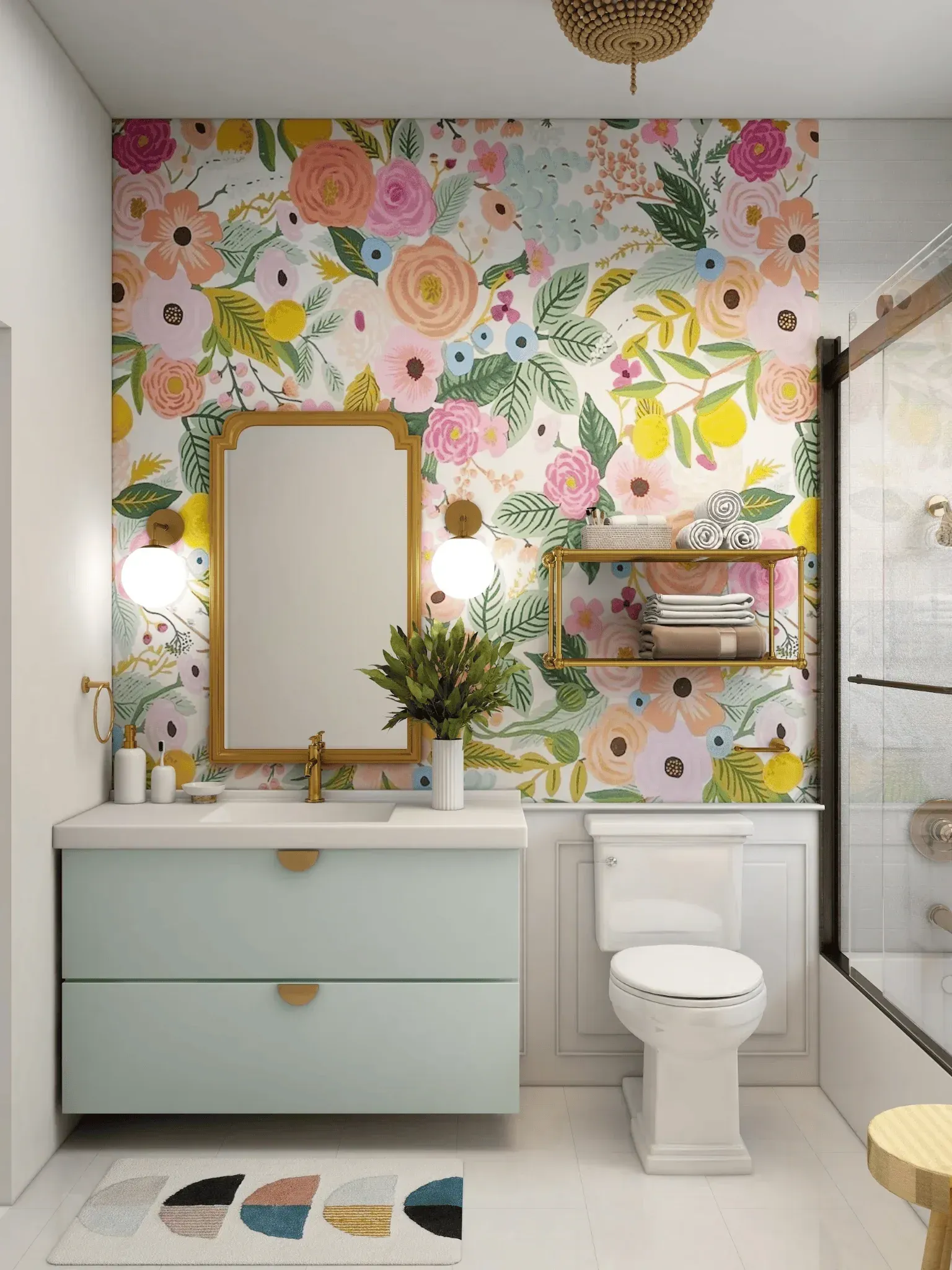
Feature walls are one of the most popular wallpaper applications.
But here’s what most people don’t consider:
- What wall naturally draws attention?
- Where does light hit?
- Is the furniture layout symmetrical?
- Does the pattern overwhelm the room?
The wrong placement can feel unbalanced.
The right placement becomes a showpiece.
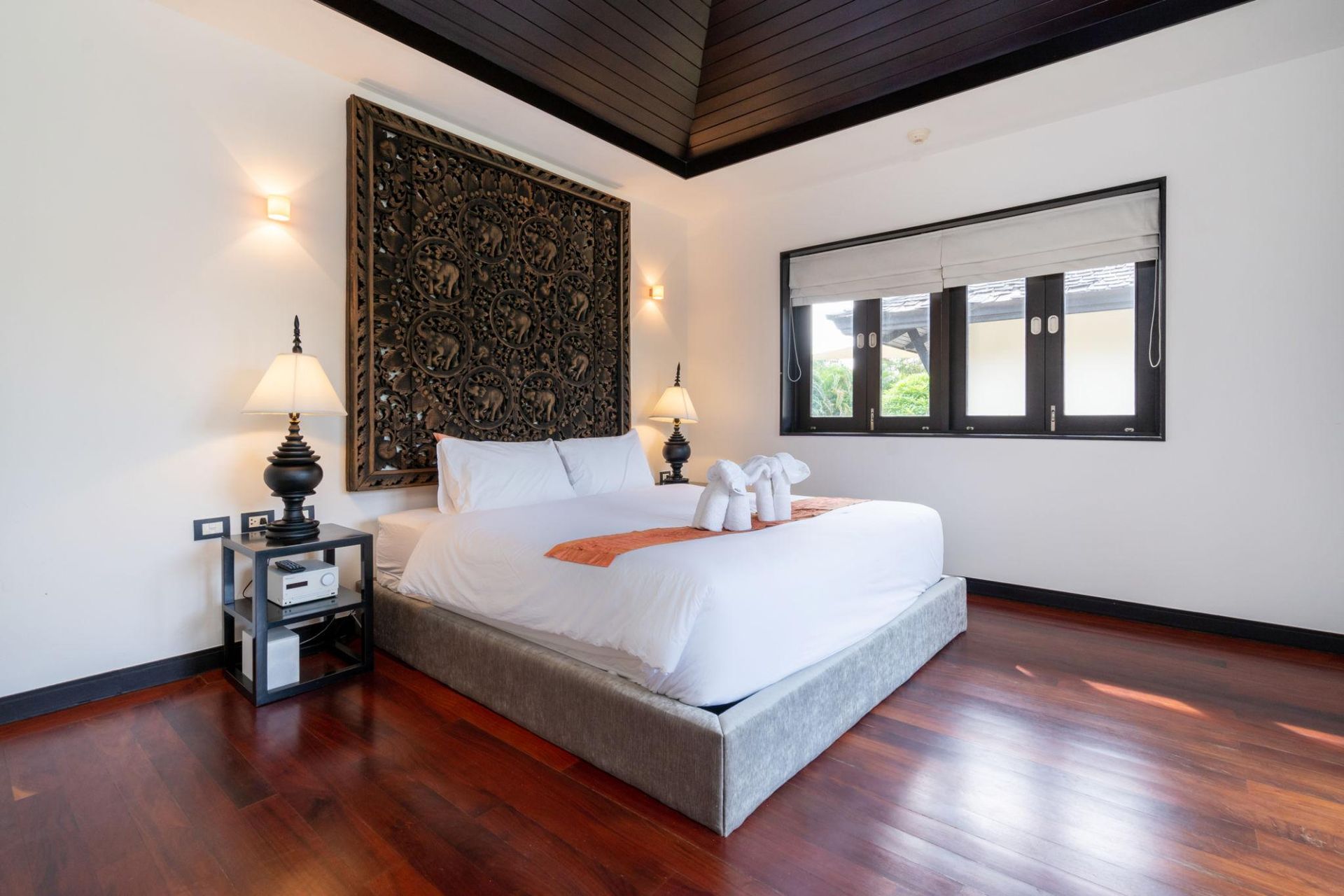
A good rule of thumb: wallpaper the wall that naturally frames a focal point — like behind a bedhead or lounge.
7. Removal Is Part of the Long-Term Plan
Wallpaper isn’t permanent — but removal varies depending on product type and installation quality.
Modern non-woven papers are designed for easier removal. Older wallpapers can be more labour-intensive, requiring:
- Steaming
- Chemical stripping
- Surface repairs afterward
If you plan to redecorate within a few years, choose a product designed for clean removal.
8. Humidity and Temperature Affect Installation
Wallpaper reacts to environmental conditions.
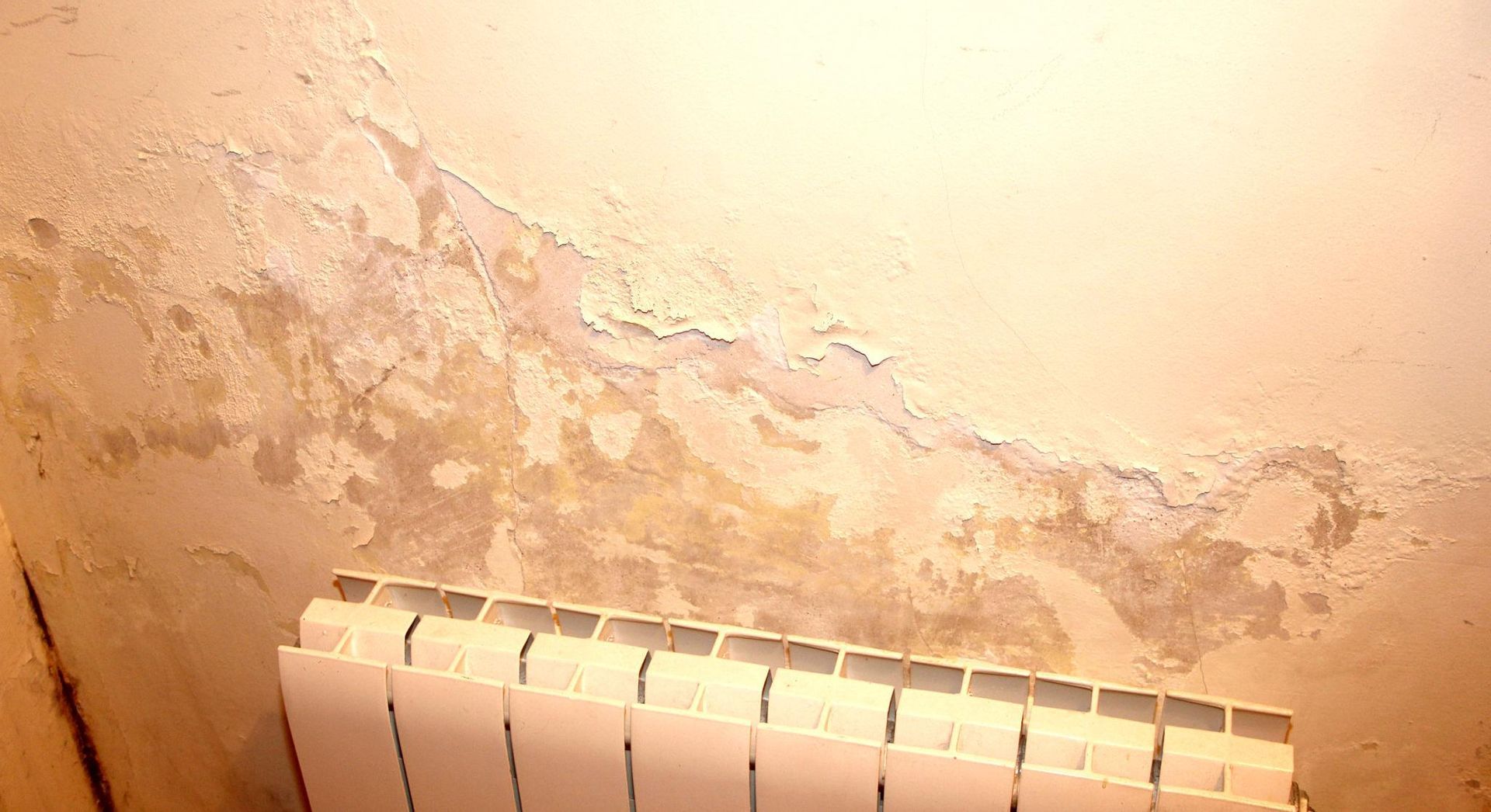
High humidity can cause:
- Adhesive failure
- Peeling edges
- Mould growth
Extreme temperature shifts can cause expansion and contraction.
That’s why proper ventilation and timing matter — especially in bathrooms, kitchens, and coastal homes.
9. DIY vs Professional Installation
Wallpaper looks simple — until you try it.
DIY challenges include:
- Straight line alignment
- Cutting around power points
- Managing corners
- Avoiding bubbles and creases
- Seam visibility
Professional wallpaper installers bring:
- Precision tools
- Experience with pattern alignment
- Knowledge of substrates
- Clean finishing techniques
If your wallpaper is a premium designer product, professional installation protects your investment.
10. Wallpaper Adds Real Design Value
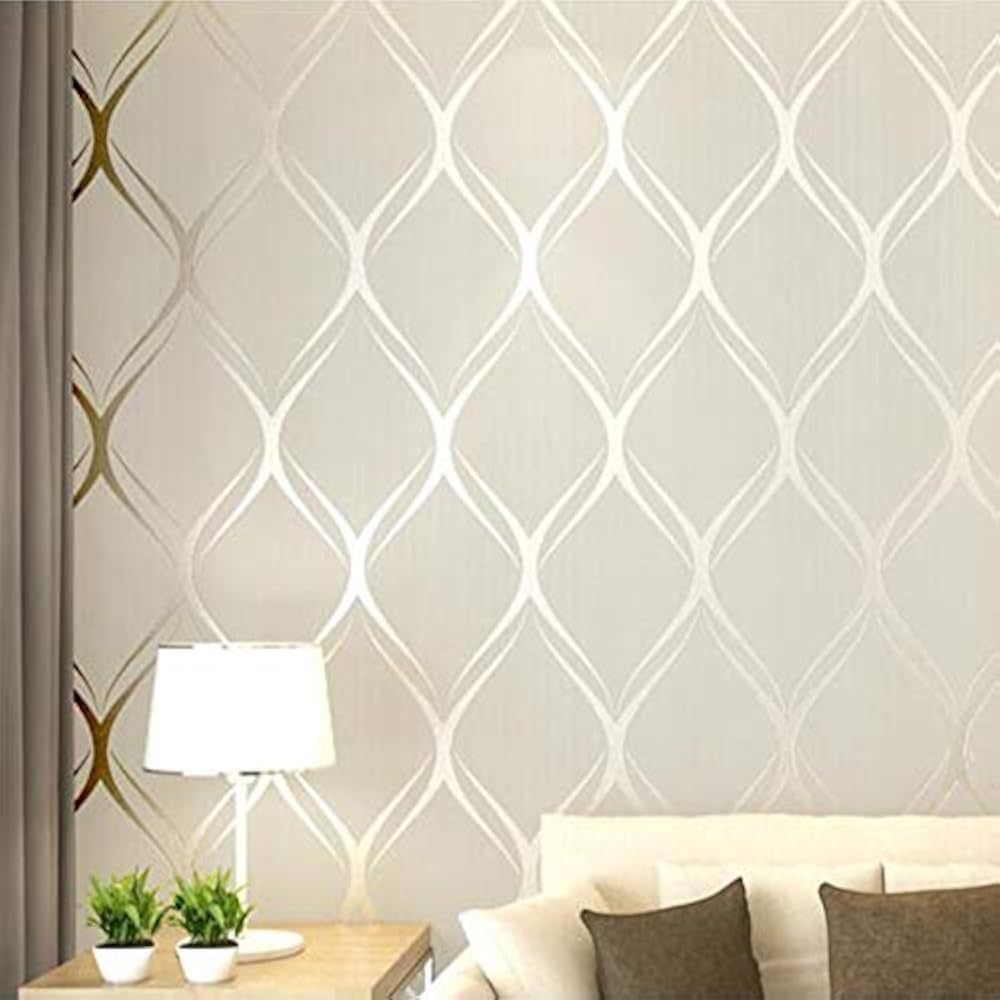
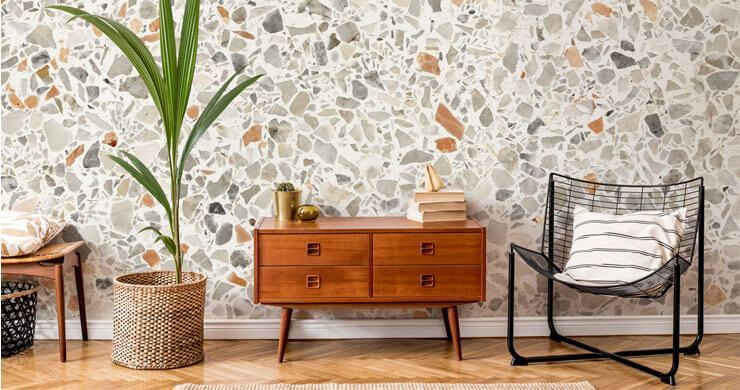
Wallpaper does more than decorate.
It can:
- Add depth and texture
- Create architectural interest
- Enhance resale appeal
- Define zones in open-plan spaces
- Elevate an ordinary room into a statement space
Well-installed wallpaper feels intentional and high-end. Poorly installed wallpaper feels rushed and temporary.
The difference lies in planning and execution.
BONUS TIPS FOR A FLAWLESS RESULT
✔ Always Prime First
Even freshly painted walls need proper priming before wallpaper application.
✔ Check Lighting Before Choosing a Pattern
Natural and artificial lighting dramatically affect how patterns appear.
✔ Order Samples
Never rely solely on online images — colours vary between screens.
✔ Think About Scale
Large prints can overwhelm small rooms. Small prints can disappear in large spaces.
✔ Consider Future Styling
Will your furniture or decor change? Choose a design that offers flexibility.
Final Thoughts: Plan First, Install Second
Wallpaper can be transformative. It can inject personality, warmth, texture, and elegance into any room. But like any design investment, success lies in the details.
Surface preparation, material choice, pattern alignment, and professional application all determine whether your wallpaper becomes a standout feature or a frustrating mistake.
If you approach your wallpaper project with the right knowledge — and the right team — you’ll achieve a finish that looks polished, seamless, and built to last.
Because when it’s done properly, wallpaper doesn’t just cover walls.
It tells a story.

Nature's Symphony

Faces of Humanity

Sands of Time

Beyond Boundaries