Why Choose Painting Newcastle | 10 Reasons Homeowners Trust Us

10 Signs Your Newcastle Home Needs Repainting (Before It Costs You More)
Your home is one of your biggest investments.
But in a coastal city like Newcastle, NSW, your exterior paintwork is constantly under attack — from salt air, humidity, UV exposure, wind, and heavy rain. Over time, even the best paint systems begin to fail.
The problem?
Most homeowners wait too long.
Understanding when to repaint a house can save you thousands in structural repairs, timber replacement, and water damage restoration. If you’re unsure whether your property needs attention, this guide will walk you through the most common repainting home signs — especially those affecting homes in coastal NSW.
If you notice even one of these warning signs, it may be time to consider professional peeling paint repair in Newcastle before minor issues become major problems.
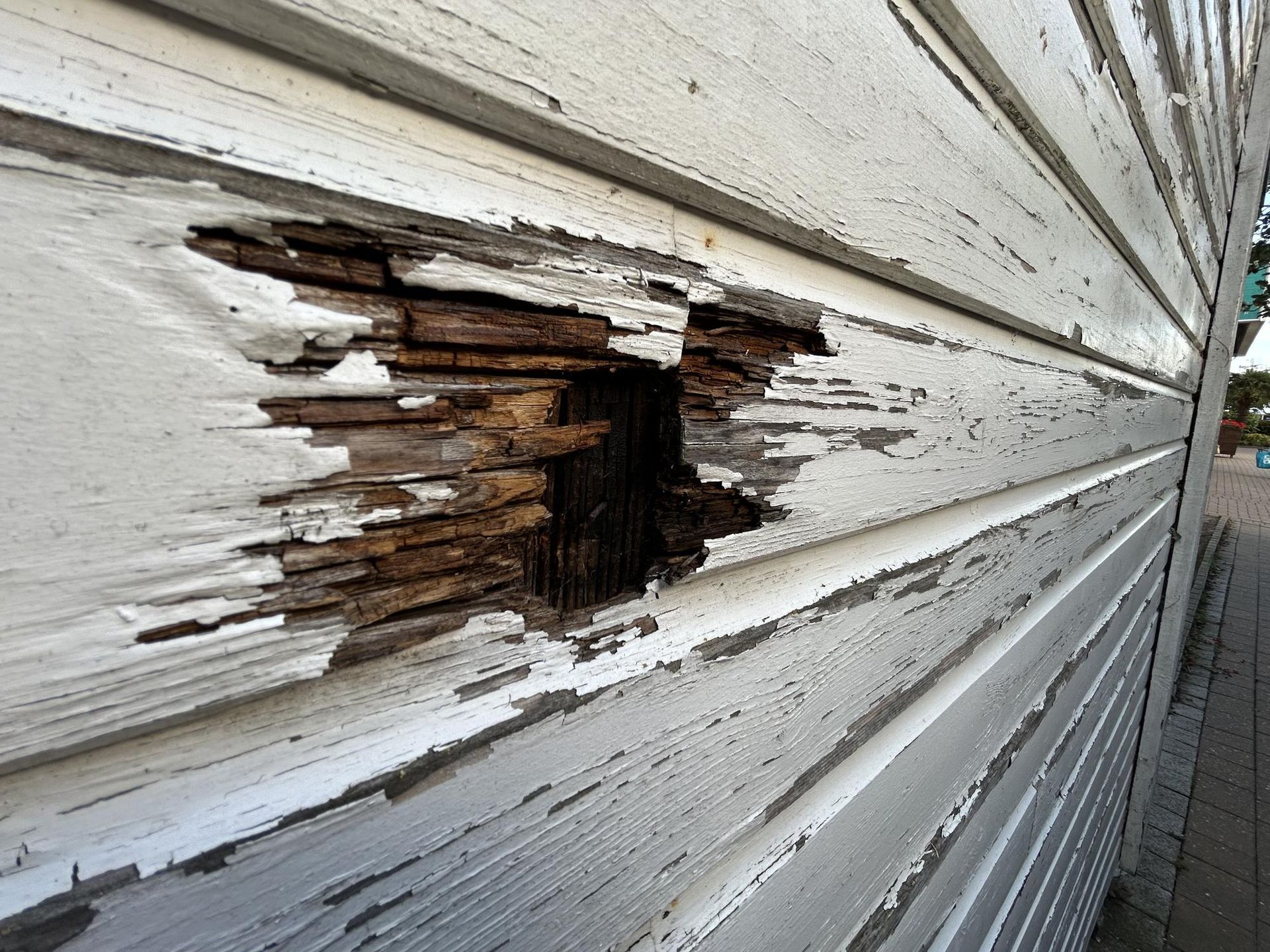
1. Cracking, Flaking or Peeling Paint
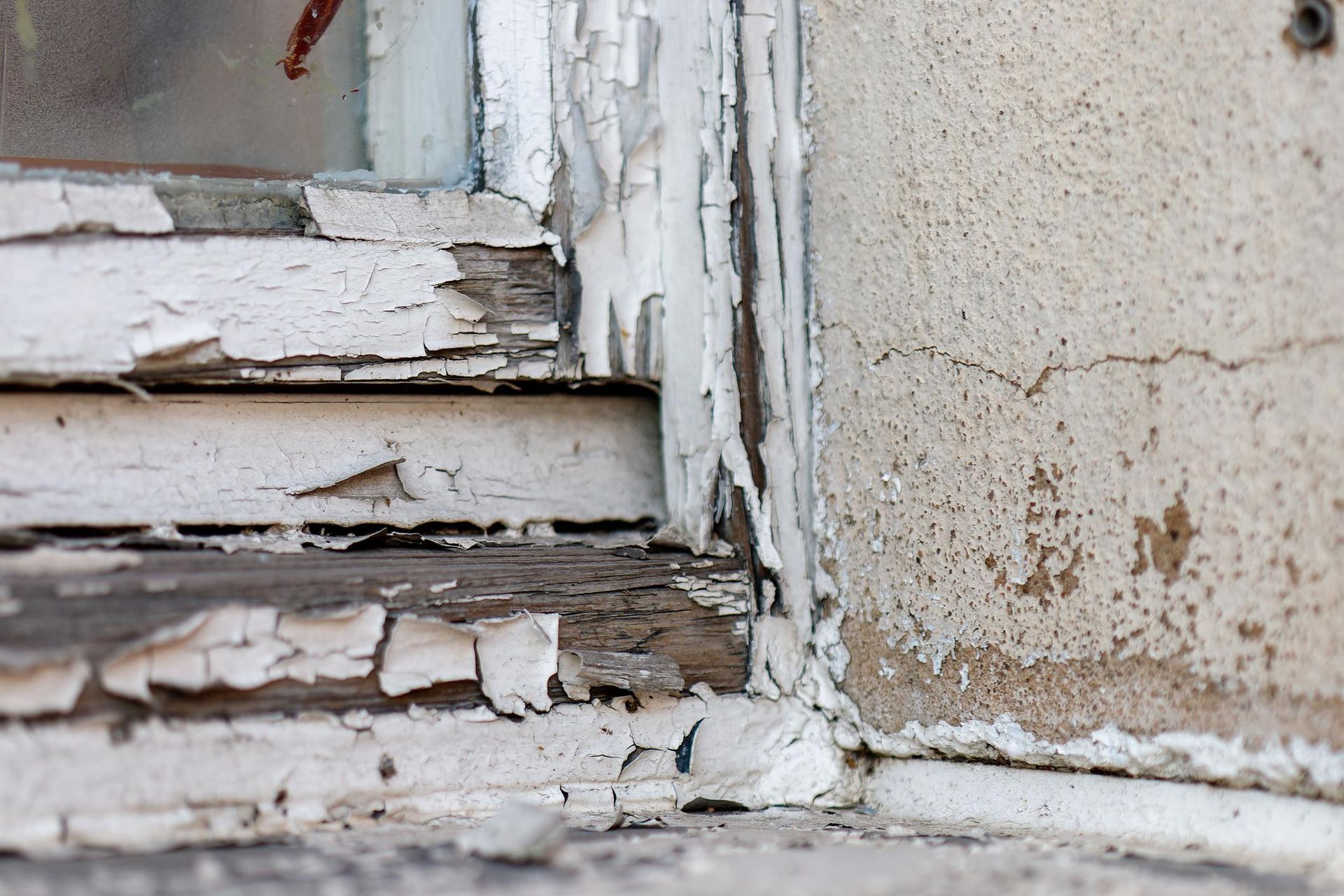
One of the clearest repainting home signs is visible cracking or peeling paint.
Paint should form a protective, flexible barrier over your surfaces. When it begins to crack or flake, moisture can penetrate underneath. In Newcastle’s coastal climate, salt-laden air accelerates deterioration once the protective coating is compromised.
Common causes include:
- Ageing paint systems
- Poor surface preparation
- Moisture intrusion
- Intense UV exposure
If you’re searching for peeling paint repair Newcastle, it’s important to understand that patch repairs alone are rarely enough. Once peeling begins, the surrounding paint is often close behind.
Ignoring this sign can lead to timber swelling, render damage, and internal moisture problems.
2. Blistering or Bubbling Paint
Blistering looks like small air bubbles trapped beneath the paint surface. It may appear minor at first — but it’s a red flag.
Blistering typically indicates:
- Moisture trapped beneath the coating
- Painting over damp surfaces
- Heat-related expansion
In coastal areas like Merewether, Stockton, and Lake Macquarie, high humidity combined with warm temperatures creates ideal conditions for bubbling paint.
If you’re wondering when to repaint a house, blistering is a clear signal that the protective barrier has failed.
3. Faded Exterior Paint
Is your once-rich colour looking dull, washed out, or uneven?
Faded exterior paint is extremely common in Newcastle due to strong UV exposure. North-facing walls are particularly vulnerable.
While fading may seem cosmetic, it signals breakdown of paint pigments and binders. Once the surface degrades:
- Water resistance declines
- Surface protection weakens
- Chalking often follows
If your home looks tired or uneven in colour, repainting isn’t just about aesthetics — it’s about renewing protection.
4. Paint Chalking
Have you ever rubbed your hand along your exterior wall and noticed a powdery residue?
That’s called chalking.
Paint chalking occurs when UV radiation breaks down the binder in exterior paint. The surface begins to release a fine, dusty powder.
This is one of the most overlooked repainting home signs.
Chalking indicates:
- The paint film is deteriorating
- Moisture resistance is compromised
- Repainting is due
If left untreated, chalking leads to accelerated paint failure and adhesion problems during future repainting.
5. Mould, Mildew or Algae Growth
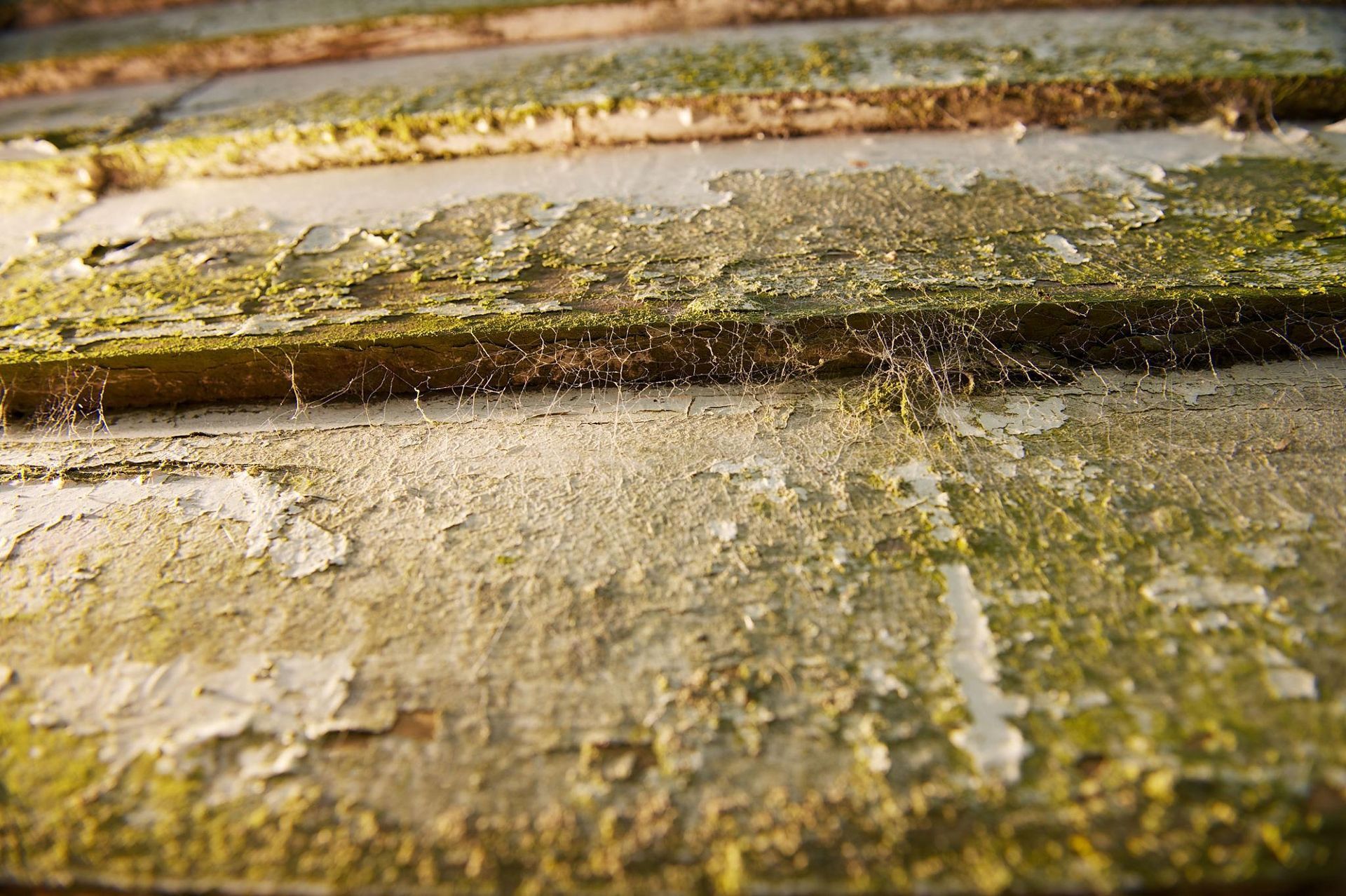
Coastal NSW homes are especially vulnerable to mould growth.
Newcastle’s humidity, combined with shaded walls and sea air, creates the perfect environment for:
- Black mould
- Green algae
- Mildew staining
Beyond appearance, mould can:
- Break down paint coatings
- Cause respiratory issues
- Spread into internal cavities
If washing doesn’t remove it permanently, the paint system has likely deteriorated.
Professional preparation and repainting with mould-resistant coatings may be necessary.
6. Exposed or Rotting Timber
Timber weatherboards, fascia boards, eaves, and window frames rely heavily on paint for protection.
When paint peels or cracks, moisture penetrates timber quickly.
Signs of trouble include:
- Soft or spongy wood
- Dark staining
- Swelling or splitting
- Visible rot
Timber replacement is significantly more expensive than repainting.
If you’re unsure when to repaint a house, exposed timber is one of the strongest indicators you should act immediately.
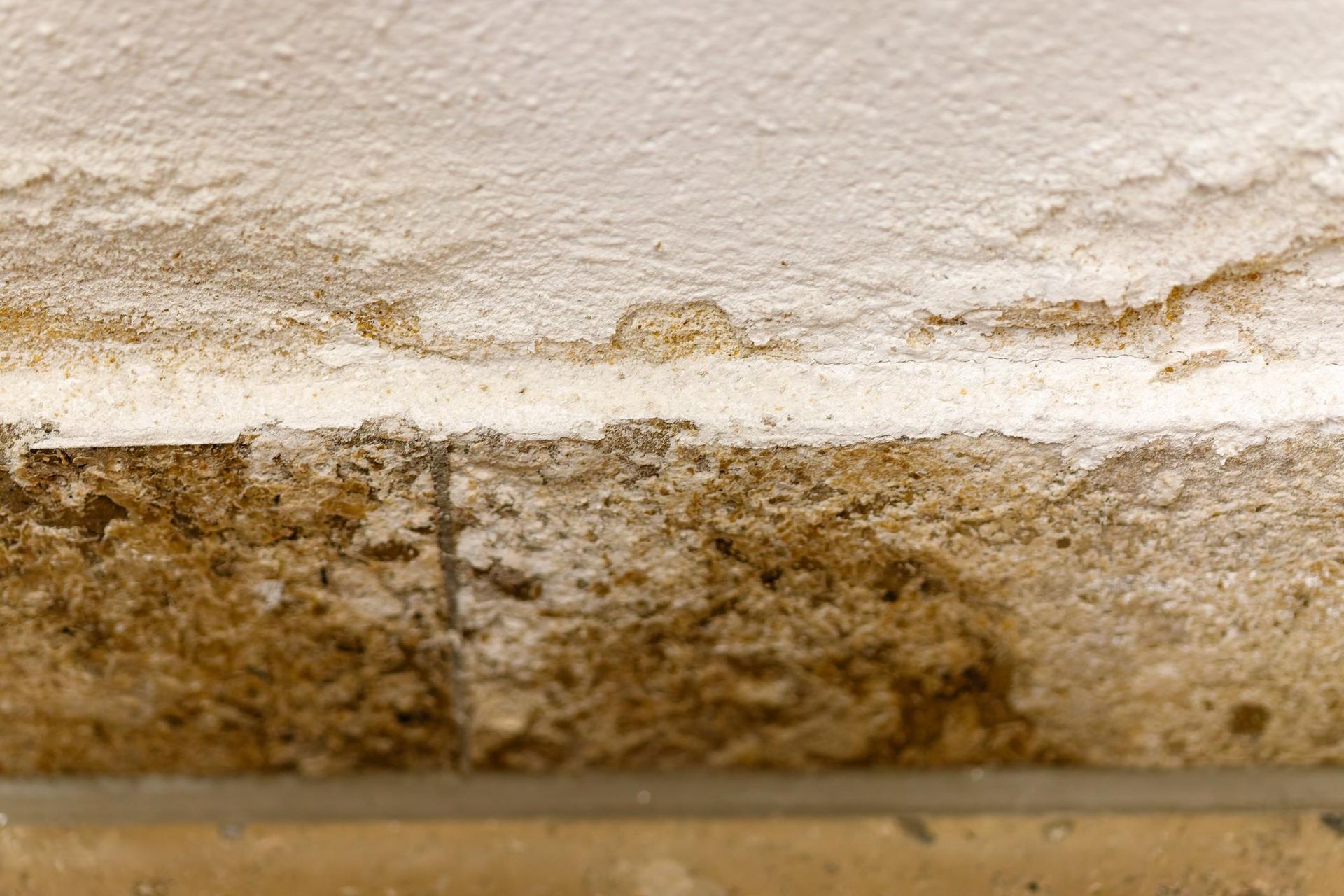
7. Water Stains or Internal Damp Patches
Water damage doesn’t always start inside.
Often, failing exterior paint allows moisture infiltration, which shows up as:
- Bubbling internal paint
- Brown ceiling stains
- Damp patches on walls
- Musty smells
If you’re seeing these symptoms, the issue may extend beyond repainting — but repainting is part of the solution.
Addressing the source early prevents costly structural repairs.
8. Cracked Render or Hairline Surface Cracks
Rendered homes are common across Newcastle suburbs.
Small cracks may seem harmless, but once paint loses flexibility, these cracks expand and allow water intrusion.
Repainting at the right time ensures:
- Cracks are sealed properly
- Waterproof membranes remain intact
- The render substrate is protected
Ignoring cracked render can lead to expensive render replacement.
9. Your Home Looks Tired or Outdated
Not all repainting is reactive.
Sometimes the sign is simple: your home no longer reflects pride of ownership.
If your property:
- Looks dull compared to neighbouring homes
- Has uneven colour patches
- Feels dated
A fresh exterior repaint can dramatically improve curb appeal and property value.
In Newcastle’s competitive real estate market, presentation matters.
10. It’s Been 7–10 Years Since Your Last Repaint
Even if you don’t see dramatic signs, age alone is a factor.
Typical repainting timelines in coastal NSW:
- Timber weatherboards: 7–10 years
- Rendered surfaces: 8–12 years
- High-exposure coastal homes: 5–8 years
If you can’t remember your last repaint, it’s worth having a professional inspection.
Many homeowners search when to repaint house only after problems appear — but proactive repainting saves significantly more money long term.
Why Acting Early Saves You Money
Delaying repainting can lead to:
- Timber replacement
- Structural moisture damage
- Internal plaster repairs
- Mould remediation
- Render restoration
Compared to these expenses, professional repainting is preventative maintenance.
The earlier you address peeling paint repair in Newcastle or faded exterior paint, the lower the overall cost.
The Newcastle Climate Factor
Newcastle’s coastal environment creates unique challenges:
- Salt air accelerates corrosion
- Strong UV exposure breaks down pigments
- Humidity promotes mould growth
- Sudden storms drive moisture into micro-cracks
That’s why repainting schedules here differ from inland NSW areas.
Using premium exterior coatings designed for coastal homes ensures longer durability and better protection.
How to Know for Sure: Professional Inspection
While DIY checks are helpful, a professional assessment can identify:
- Hidden moisture issues
- Early timber decay
- Surface adhesion failure
- Render weakness
- Inadequate previous preparation
A detailed inspection helps determine whether a full repaint, targeted repair, or maintenance plan is most suitable.
Final Thoughts
Your home’s paint is more than decoration — it’s a protective barrier against Newcastle’s harsh coastal conditions.
If you’ve noticed:
- Cracking or blistering
- Peeling paint
- Faded exterior paint
- Chalking residue
- Mould growth
- Water stains
- Exposed timber
These are clear repainting home signs.
Knowing when to repaint a house can be the difference between a straightforward repaint and major structural repairs.
Don’t wait until minor damage becomes expensive.
Book a free inspection before minor damage becomes expensive.