Water Stains or Internal Damp Patches: A Hidden Sign Your Home Needs Attention

Water Stains or Internal Damp Patches: A Hidden Sign Your Home Needs Attention
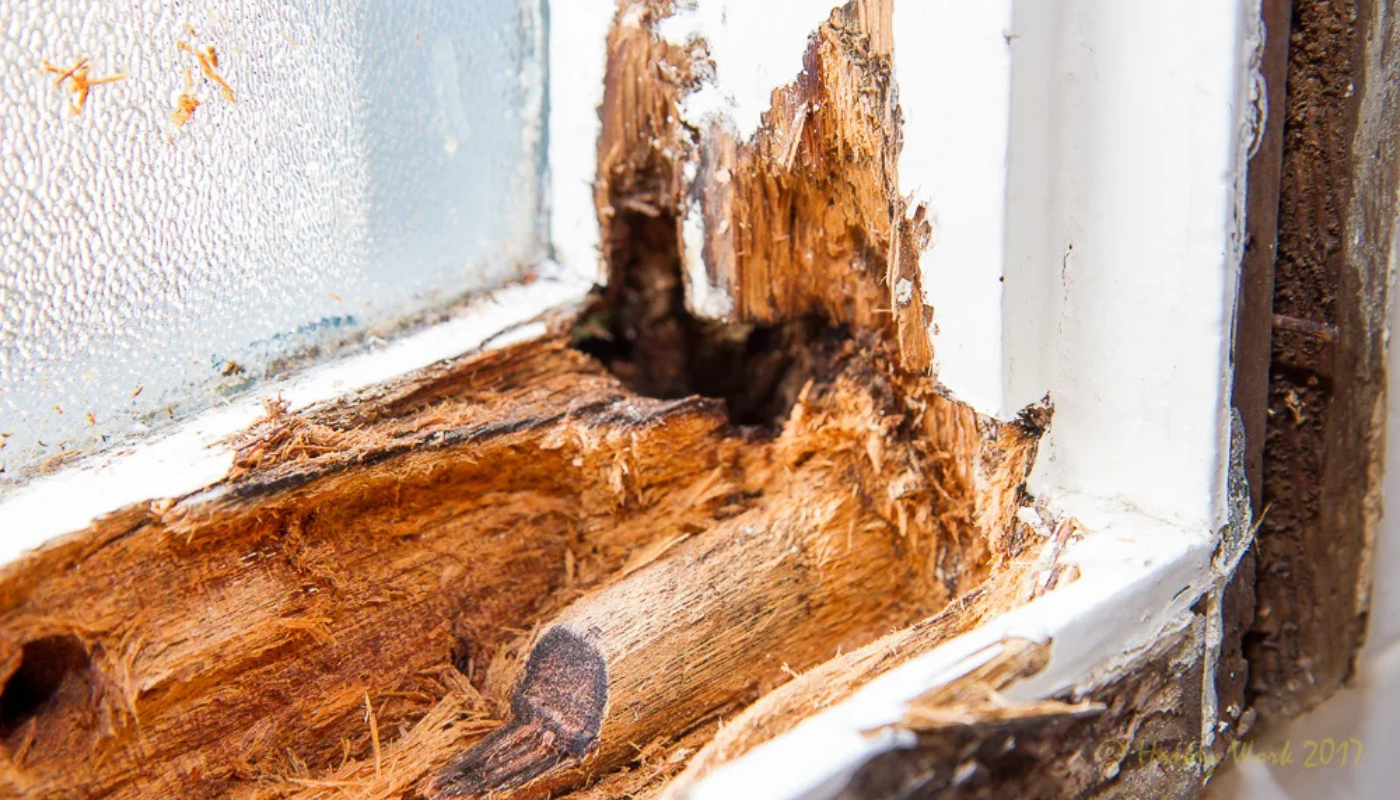
Water damage doesn’t always start inside your home.
In many cases, the first visible signs — bubbling paint, brown ceiling stains, damp patches on walls, or musty smells — are symptoms of a failing exterior paint system.
In Newcastle’s coastal climate, where salt air, humidity and wind-driven rain are common, moisture infiltration is one of the most serious risks to residential properties.
If you’re noticing water stains on ceilings, damp patches on interior walls, or bubbling internal paint, it’s critical to investigate the source immediately.
While the issue may extend beyond repainting, professional exterior repainting is often a crucial part of the solution.
Addressing the source early prevents costly structural repairs and long-term damage.
Why Water Damage Often Starts Outside
Many homeowners assume water stains are caused by plumbing leaks or roof failures.
While those are possibilities, in coastal Newcastle homes, failing exterior paint is a frequent culprit.
Exterior paint acts as a waterproof barrier.
When that barrier deteriorates due to:
- Peeling paint
- Cracking
- Chalking
- Faded exterior paint
- Mould growth
Moisture can penetrate walls.
In Newcastle suburbs like Merewether, Stockton and Lake Macquarie, wind-driven rain combined with salt air accelerates paint breakdown, increasing the risk of water infiltration.
The Common Interior Warning Signs
If moisture enters through compromised exterior surfaces, it may show up internally as:
1. Bubbling Internal Paint
When water becomes trapped behind interior paint, it creates pressure.
This causes:
- Paint bubbles
- Blistering
- Peeling
- Flaking
If you’re searching for bubbling paint repair Newcastle, it’s important to investigate the exterior first.
Simply repainting interior walls without fixing the moisture source guarantees the problem will return.
2. Brown Ceiling Stains
Brown or yellow ceiling stains are often caused by:
- Roof leaks
- Failed flashing
- Water entering through external cracks
- Saturated wall cavities
Even small roof or exterior breaches can allow slow, ongoing moisture intrusion.
Over time, this leads to visible staining and plasterboard damage.
If you notice ceiling stains after heavy rain, your exterior paint and sealants should be inspected.
3. Damp Patches on Walls
Damp patches may appear:
- Near windows
- Along exterior-facing walls
- In corners
- Behind furniture
These patches often feel cool to the touch and may expand during wet weather.
In coastal NSW, porous render combined with deteriorated paint can absorb water, allowing it to migrate internally.
Professional house painters Newcastle NSW often identify exterior cracks as the root cause.
4. Musty Smells
A persistent musty smell inside your home is a strong indicator of trapped moisture.
This may signal:
- Mould growth inside wall cavities
- Damp insulation
- Timber decay
- Inadequate ventilation
Musty odours should never be ignored.
Moisture trapped within walls can compromise structural integrity and affect indoor air quality.
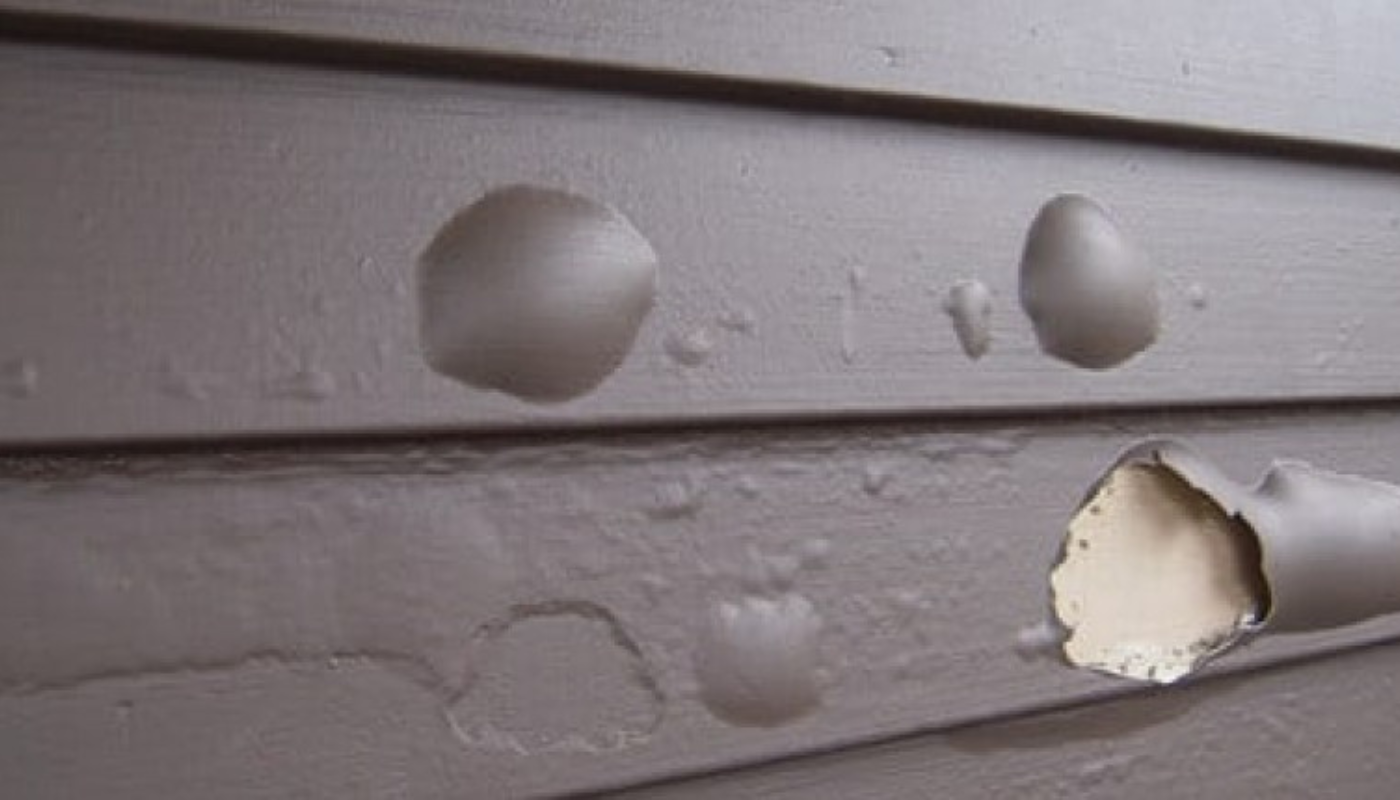
How Failing Exterior Paint Leads to Internal Damp
Exterior paint provides more than colour — it seals and protects.
When paint cracks or peels:
- Water enters micro-gaps
- Timber absorbs moisture
- Render becomes saturated
- Joints weaken
Over time, water migrates through wall cavities.
This process is often gradual, which is why many homeowners don’t realise there’s a problem until internal symptoms appear.
If you’re wondering when to repaint a house in Newcastle, internal damp is a serious sign that repainting may already be overdue.
The Newcastle Coastal Factor
Newcastle’s environment intensifies moisture risks due to:
- Salt-laden sea air
- High humidity
- Frequent storms
- Temperature fluctuations
- Shaded walls retaining moisture
Salt attracts and holds water against surfaces.
In suburbs close to the ocean, exterior paint systems deteriorate faster, increasing the likelihood of infiltration.
Professional coastal home painting Newcastle solutions are designed specifically for these conditions.
The Risks of Ignoring Internal Damp
Ignoring water stains or damp patches can lead to:
1. Timber Frame Rot
Structural timber inside walls can decay if moisture persists.
This weakens the building’s integrity and increases repair costs.
2. Mould Infestation
Mould thrives in damp environments.
It can spread behind plasterboard and insulation, posing respiratory risks.
3. Insulation Damage
Wet insulation loses effectiveness, increasing energy costs.
4. Plasterboard Deterioration
Repeated dampness weakens plasterboard, requiring replacement.
Addressing moisture early prevents expensive structural repairs.
When Repainting Is Part of the Solution
While plumbing or roof repairs may be necessary, repainting plays a vital role in long-term protection.
Professional exterior painters Newcastle follow a comprehensive process:
- Inspecting exterior walls
- Identifying cracks and failed paint
- Repairing gaps and damaged areas
- Removing deteriorated coatings
- Applying primer
- Using premium weatherproof exterior paint
High-quality coatings restore the protective barrier that prevents moisture infiltration.
Render vs Weatherboard: Different Moisture Risks
Rendered Homes
Rendered walls can develop hairline cracks.
If paint fails, water penetrates through:
- Micro-cracks
- Porous surfaces
- Unsealed joints
Flexible coatings are essential to maintain waterproof integrity.
Timber Weatherboards
Timber weatherboards are particularly vulnerable.
Moisture infiltration can cause:
- Swelling
- Warping
- Rot
- Joint separation
Regular inspections and timely repainting prevent severe damage.
Choosing the Right Weatherproof Exterior Paint
To prevent moisture-related issues, choose paint with:
- High UV resistance
- Flexible acrylic binders
- Marine-grade durability
- Anti-mould properties
- Long manufacturer warranties
Experienced house painters Newcastle NSW know which products perform best in coastal conditions.
How to Determine If You Need Repainting
You should consult professional exterior painters Newcastle if you notice:
- Interior bubbling paint
- Ceiling stains after storms
- Persistent damp patches
- Exterior cracking or peeling
- Visible mould growth
These are strong indicators that your home’s protective paint system has failed.
Preventative Maintenance Tips
To reduce the risk of moisture intrusion:
- Inspect exterior walls annually
- Wash salt residue from surfaces
- Re-seal around windows and doors
- Clear gutters and downpipes
- Address small cracks promptly
Preventative maintenance extends paint lifespan and protects structural components.
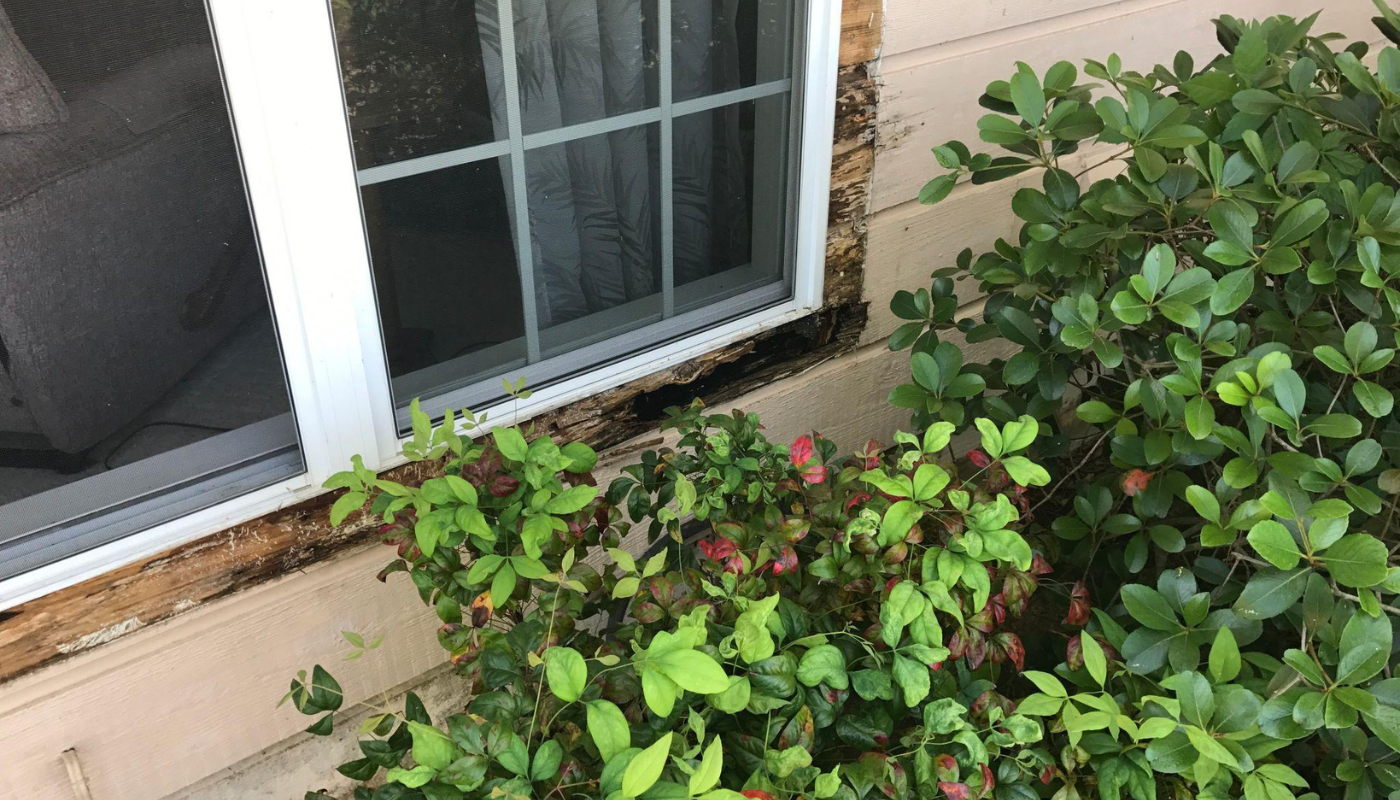
The Cost of Delaying Action
Water damage escalates quickly.
What begins as a small damp patch can become:
- Major plaster repairs
- Timber replacement
- Insulation removal
- Mould remediation
- Structural reinforcement
Compared to these expenses, professional repainting is a cost-effective preventative measure.
If you’re unsure when to repaint house exterior Newcastle, internal damp is a serious sign that action should not be delayed.
Final Thoughts
Water stains and internal damp patches are not problems to ignore.
Water damage doesn’t always start inside.
Often, failing exterior paint allows moisture infiltration, which shows up as:
- Bubbling internal paint
- Brown ceiling stains
- Damp patches on walls
- Musty smells
If you’re seeing these symptoms, the issue may extend beyond repainting — but repainting is part of the solution.
Addressing the source early prevents costly structural repairs.
If you’re concerned about moisture issues in your Newcastle home, consult experienced house painters Newcastle NSW who understand coastal conditions and provide durable, weatherproof solutions.
Because in coastal NSW, exterior paint isn’t just decorative — it’s your home’s first line of defence against water damage.