Blistering or Bubbling Paint: A Clear Warning Sign Your Newcastle Home Needs Attention

Blistering or Bubbling Paint: A Clear Warning Sign Your Newcastle Home Needs Attention
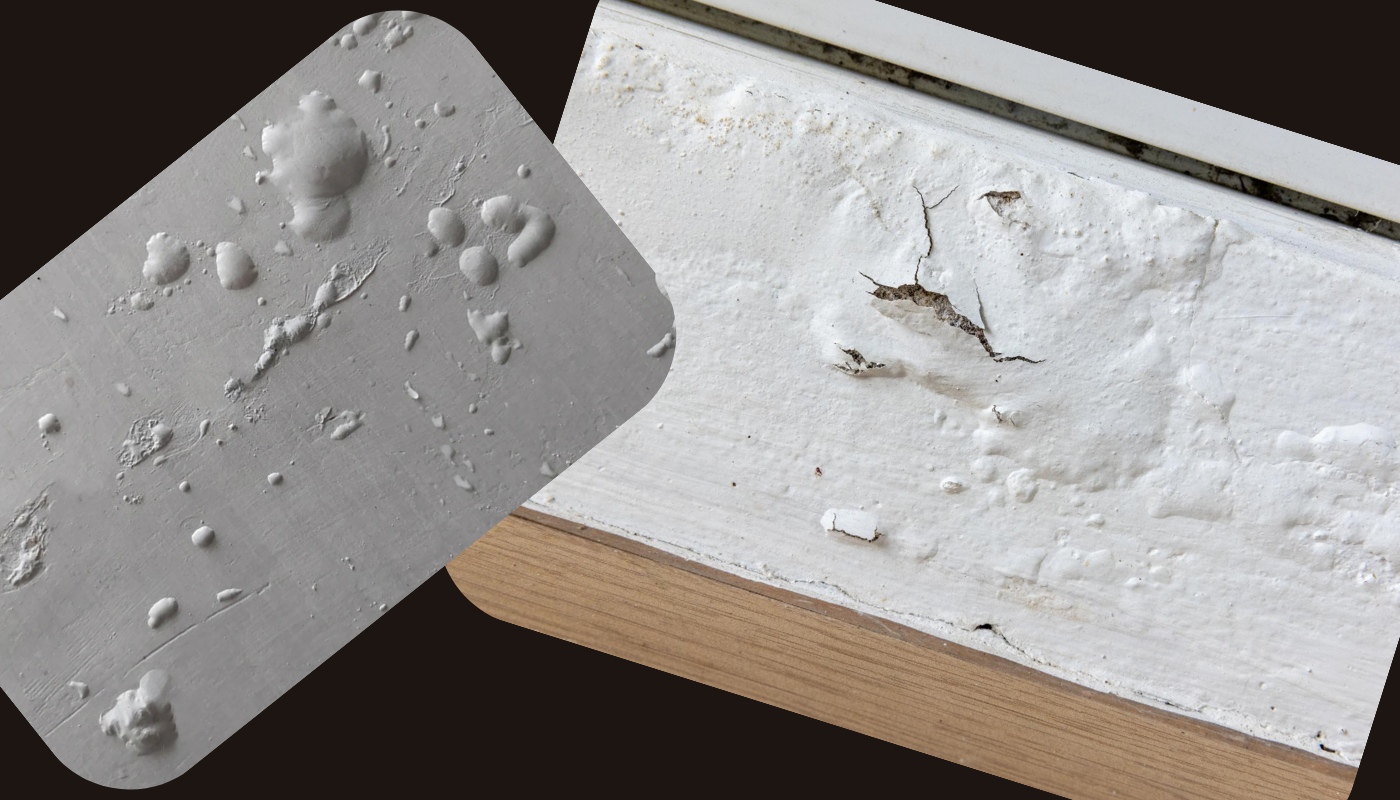
Blistering paint — sometimes called bubbling paint — often appears as small air pockets or raised bubbles trapped beneath the surface of your walls.
At first glance, it may seem minor. Many homeowners dismiss it as a cosmetic issue.
But in reality, blistering or bubbling paint is a red flag.
It’s one of the most important repainting home signs and often signals that the protective barrier on your home has failed. In Newcastle’s coastal climate — especially in areas like Merewether, Stockton, and Lake Macquarie — blistering paint can escalate quickly due to humidity, salt air, and heat exposure.
If you’re searching for answers about bubbling paint repair Newcastle or wondering when to repaint a house, this guide will explain:
- What causes blistering paint
- Why it’s common in coastal NSW
- The risks of ignoring it
- Why patch repairs rarely solve the problem
- How professional exterior painters fix it properly
What Is Blistering or Bubbling Paint?
Blistering paint appears as raised bubbles under the surface of the paint film.
These bubbles may:
- Feel soft when pressed
- Eventually crack and peel
- Spread across larger areas
- Appear shortly after painting or years later
Unlike simple peeling paint, blistering indicates that pressure has built up beneath the surface coating.
That pressure is almost always caused by moisture or heat.
The Three Main Causes of Blistering Paint
Blistering typically indicates one or more of the following issues:
1. Moisture Trapped Beneath the Coating
Moisture is the number one cause of bubbling paint in Newcastle homes.
Water can become trapped beneath paint through:
- Micro-cracks in render
- Unsealed timber joints
- Rising damp
- Roof leaks
- Condensation buildup
When the sun heats the surface, trapped moisture turns to vapour and expands. The pressure pushes against the paint film — creating bubbles.
In coastal NSW, salt-laden humidity makes this problem worse.
If you notice blistering after heavy rain or humid weather, moisture intrusion is likely the culprit.
2. Painting Over Damp Surfaces
Another common cause of blistering paint is applying new paint over damp or improperly prepared surfaces.
Common mistakes include:
- Painting after pressure washing without allowing proper drying time
- Applying paint early in the morning when surfaces are still damp
- Failing to test moisture levels in timber
- Skipping primer on porous surfaces
Even high-quality weatherproof exterior paint cannot adhere properly to damp substrates.
This is why experienced house painters Newcastle NSW rely on moisture testing before beginning any exterior project.
3. Heat-Related Expansion
Newcastle experiences strong UV exposure and high summer temperatures.
When exterior walls heat rapidly:
- Air pockets trapped beneath paint expand
- Moisture vapour increases pressure
- Poorly adhered paint separates
North and west-facing walls are particularly vulnerable.
This is why choosing UV-resistant, flexible coatings is critical for coastal home painting.
Why Blistering Is Common in Newcastle’s Coastal Suburbs
In suburbs like:
- Merewether
- Stockton
- Bar Beach
- Lake Macquarie
High humidity combined with warm temperatures creates ideal conditions for bubbling paint.
Salt air plays a significant role.
Salt attracts moisture and holds it against exterior surfaces.
This increases the likelihood of:
- Paint adhesion failure
- Moisture penetration
- Accelerated blistering
Homes within several kilometres of the ocean are particularly at risk.
If you’re researching when to repaint a house in Newcastle, blistering paint is a strong indicator that your protective barrier has been compromised.
Why Blistering Paint Should Never Be Ignored
Many homeowners delay action because blistering appears small.
However, once bubbling begins, it often spreads.
Ignoring blistering can lead to:
- Peeling paint
- Timber swelling
- Rot in weatherboards
- Render cracking
- Internal moisture damage
The longer moisture remains trapped, the greater the structural risk.
What starts as surface bubbling can escalate into costly repairs.
Blistering on Different Surfaces
Blistering on Weatherboards
Timber weatherboards are especially vulnerable.
When moisture penetrates timber:
- Boards swell
- Paint adhesion weakens
- Fungal decay can begin
Blistering on timber often precedes peeling and rot.
Early professional intervention prevents timber replacement costs.
Blistering on Rendered Walls
Rendered homes in Newcastle can also experience bubbling paint.
Causes include:
- Hairline cracks allowing water in
- Efflorescence beneath the surface
- Poor priming
Rendered surfaces require breathable yet water-resistant coatings.
Professional exterior painters Newcastle ensure the right system is used for render substrates.
Patch Repairs vs Full Repaint
If you’re searching for bubbling paint repair Newcastle, you may hope a small repair is sufficient.
However, blistering usually indicates a broader issue.
Spot repairs may:
- Improve appearance temporarily
- Fail within months
- Miss underlying moisture sources
A professional inspection often reveals:
- Widespread adhesion failure
- Compromised primer layers
- Moisture pathways
In many cases, a full exterior repaint is the most cost-effective long-term solution.
How Professional Painters Fix Blistering Paint
A proper repair process includes:
- Identifying and eliminating moisture sources
- Removing all loose and blistered paint
- Sanding back to stable substrate
- Repairing cracks and gaps
- Allowing surfaces to dry thoroughly
- Applying appropriate primer
- Using premium weatherproof exterior paint
Experienced house painters Newcastle NSW understand that preparation and drying time are critical.
Rushing the process leads to recurring failure.
Choosing the Right Paint for Coastal Protection
To prevent future blistering:
- Use high-quality acrylic coatings
- Select UV-resistant products
- Choose flexible paint systems
- Ensure anti-mould protection
Marine-grade coatings perform best in Newcastle’s coastal environment.
Cheap paint often fails faster — leading to repeated repairs.
When to Repaint a House Showing Blistering
If blistering is:
- Widespread
- Occurring across multiple walls
- Appearing on sun-exposed areas
- Accompanied by peeling
It’s time to consider repainting.
Delaying repainting increases the risk of structural damage.
If you’re unsure when to repaint a house, blistering is one of the clearest signs your home’s protective barrier has failed.
Preventative Measures to Avoid Blistering
Homeowners can reduce risk by:
- Washing salt residue annually
- Inspecting surfaces after storms
- Maintaining sealant around windows
- Ensuring proper drainage
- Scheduling regular inspections
Preventative maintenance extends paint lifespan significantly.
Why Professional Assessment Matters
DIY solutions often address symptoms, not causes.
Professional exterior painters Newcastle homeowners trust will:
- Test moisture levels
- Identify hidden leaks
- Assess substrate integrity
- Recommend appropriate coatings
A proper diagnosis prevents recurring blistering.
Final Thoughts
Blistering or bubbling paint may appear minor — but it’s a serious warning sign.
In Newcastle’s coastal climate, moisture, salt air, and UV exposure accelerate paint failure once the protective coating is compromised.
If you’re noticing bubbling on your exterior walls in Merewether, Stockton, Lake Macquarie, or surrounding suburbs, don’t ignore it.
Understanding when to repaint a house can save you from:
- Timber rot
- Render damage
- Internal damp issues
- Expensive structural repairs
Professional inspection and high-quality coastal repainting protect your home long term.
Because in Newcastle, exterior paint isn’t just cosmetic — it’s your home’s first line of defence.