How UV Radiation Affects Your House and Its Paint

How UV Radiation Affects Your House and Its Paint
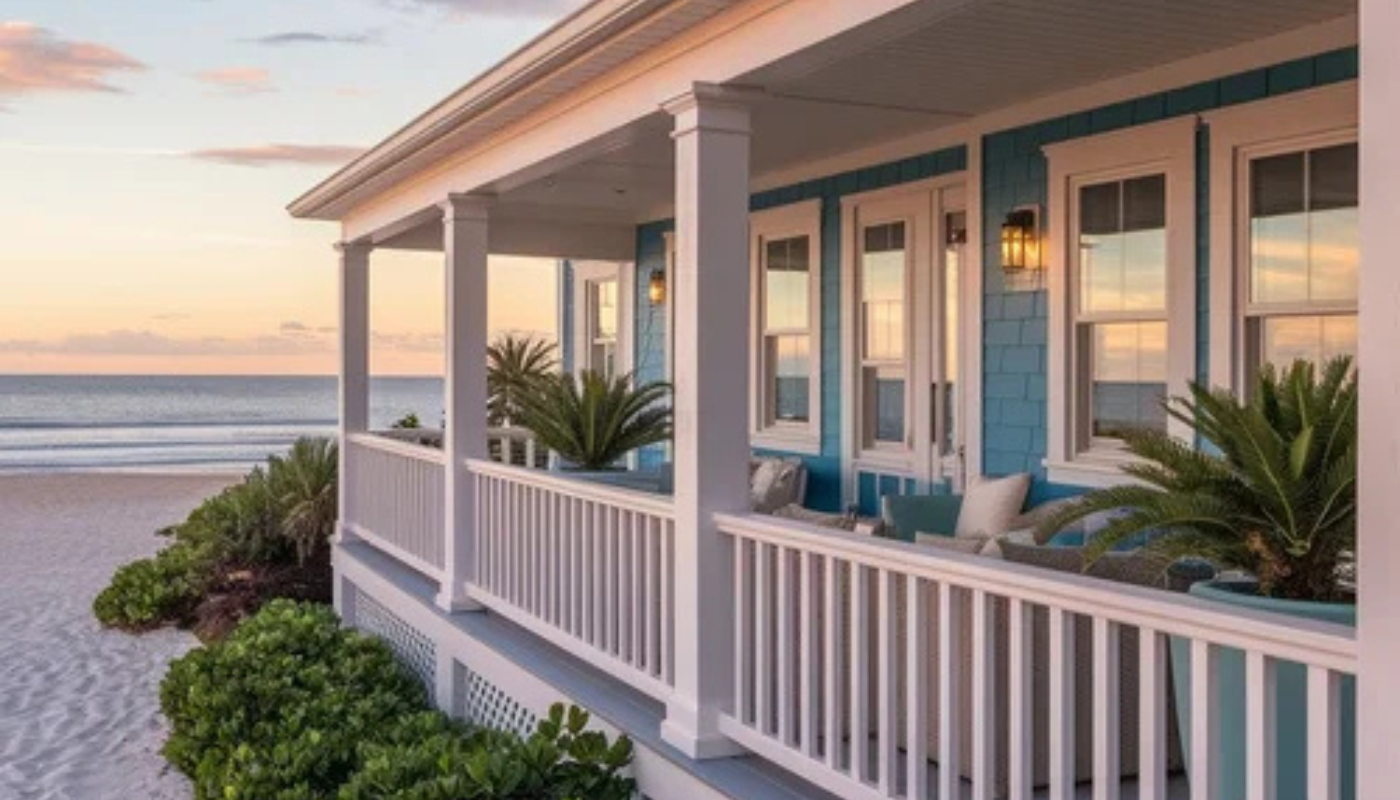
Australia is known for its beautiful sunshine, but that sunshine also brings one of the harshest environmental factors your home will face — ultraviolet (UV) radiation.
In coastal cities like Newcastle, UV exposure is particularly intense. Homes are constantly exposed to strong sunlight, which gradually breaks down exterior paint, damages surfaces, and reduces the lifespan of building materials.
While most homeowners think about UV damage in terms of skin protection, few realise how much it affects their home’s exterior.
Understanding how UV radiation affects your house and its paint can help you identify early warning signs and know when to repaint your house before costly repairs become necessary.
If you’re searching for exterior painters Newcastle, UV damage is often one of the main reasons homeowners need professional repainting.
What Is UV Radiation?
Ultraviolet radiation is a type of energy emitted by the sun.
There are three types of UV radiation:
- UVA – penetrates deeply and contributes to material degradation
- UVB – responsible for surface damage and colour fading
- UVC – largely absorbed by the atmosphere
For homes, UVA and UVB radiation cause the most damage.
Over time, continuous UV exposure breaks down the chemical structure of exterior paint and other materials.
In Australia, UV levels are significantly higher than in many other parts of the world, which means homes here experience faster paint deterioration.

Why UV Exposure Is So Strong in Newcastle
Newcastle’s coastal location means homes experience:
- High UV index levels
- Clear skies and direct sunlight
- Reflected light from the ocean
- Long summer daylight hours
North-facing walls receive the most sunlight throughout the day, making them the most vulnerable to UV damage.
Homes in suburbs like:
- Merewether
- Stockton
- Parts of Lake Macquarie
- Bar Beach
often experience faster paint fading due to strong sun exposure combined with salty coastal air.
This is why coastal home painting Newcastle requires specialised UV-resistant coatings.
How UV Radiation Damages Exterior Paint
Exterior paint contains several key components:
- Pigments (colour)
- Binders (which hold the paint film together)
- Additives (to improve durability)
UV radiation attacks the binder first.
When the binder breaks down, the paint film weakens and pigment particles become exposed.
This leads to several common issues.
Faded Exterior Paint
One of the earliest signs of UV damage is faded exterior paint.
Colours lose their richness and appear dull or washed out.
This is especially noticeable on north-facing walls.
If your once-vibrant exterior now looks pale or uneven, UV radiation is likely the cause.
Faded paint is one of the most common reasons homeowners search when to repaint house exterior Newcastle.
Paint Chalking
As UV radiation continues to degrade paint binders, pigment particles begin to separate from the surface.
This produces a powdery residue known as paint chalking.
If you rub your hand along the wall and see a dusty residue, chalking has likely begun.
Chalking indicates:
- The paint film is deteriorating
- Moisture protection is weakening
- Repainting may soon be required
Professional house painters Newcastle NSW remove chalking residue before applying new paint.
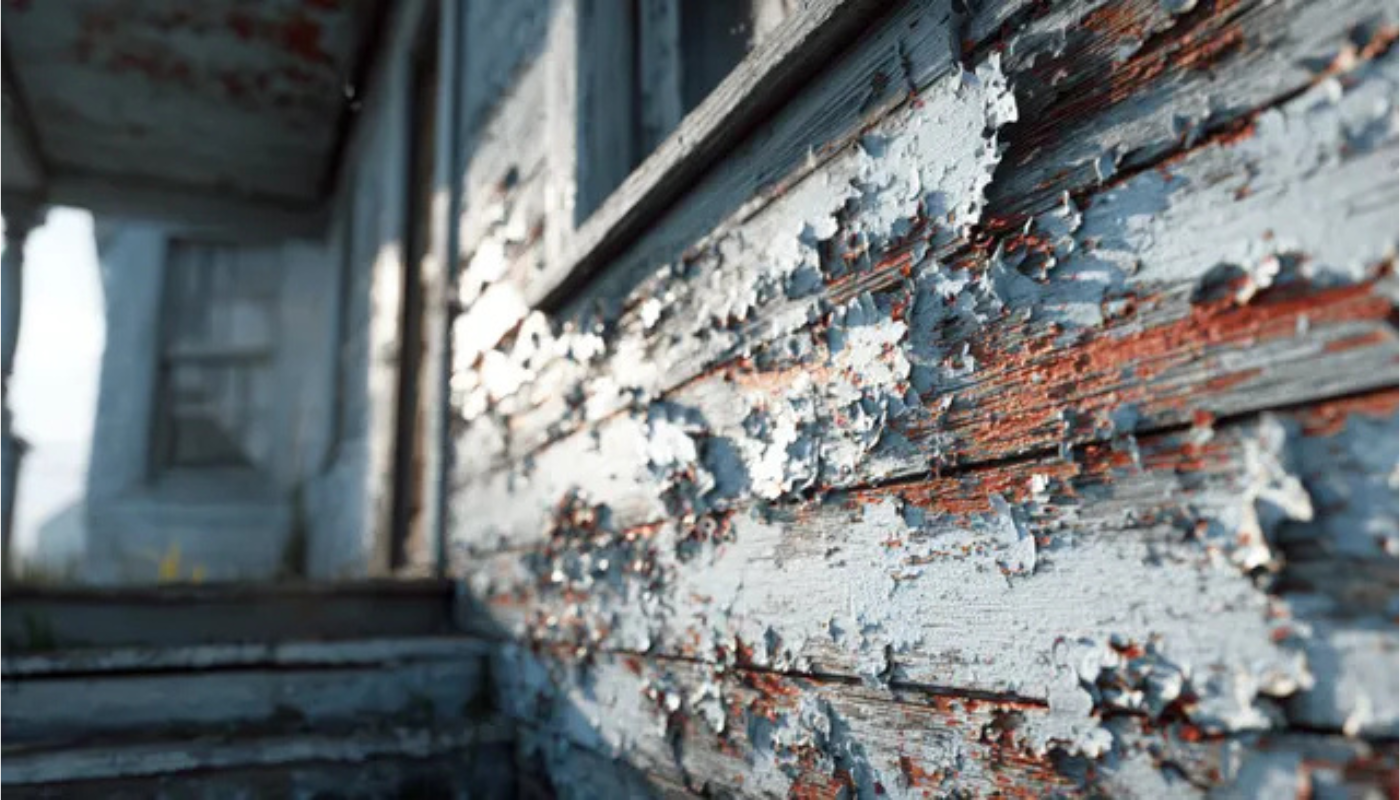
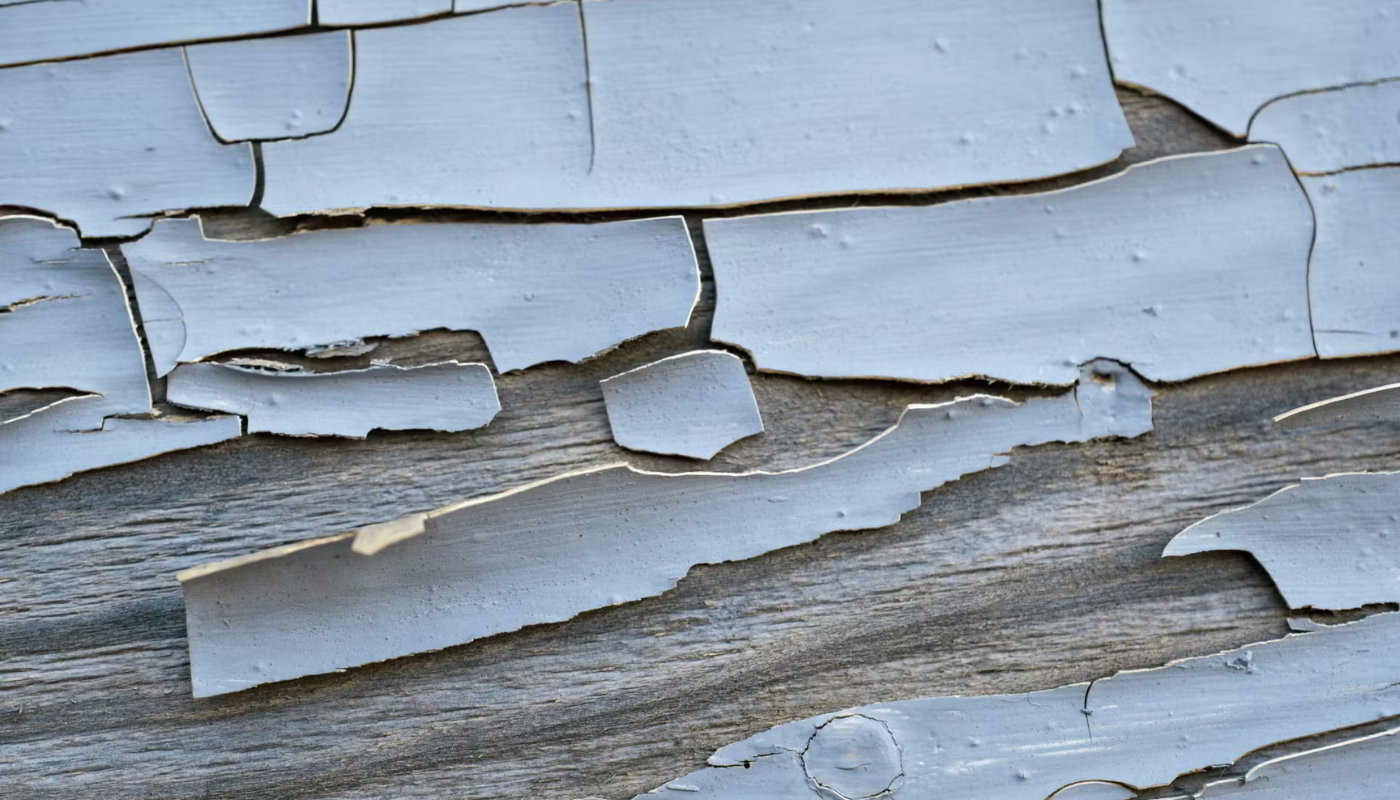
Cracking and Peeling Paint
As UV damage progresses, paint becomes brittle.
Once flexibility is lost, the paint film begins to crack.
Cracks allow moisture to enter surfaces, leading to:
- Peeling paint
- Blistering
- Water damage
If left untreated, these problems can expose timber and render to structural deterioration.
How UV Radiation Affects Different Exterior Surfaces
UV damage doesn’t affect all materials equally.
Timber Weatherboards
Timber relies heavily on paint for protection.
UV radiation breaks down paint coatings, allowing moisture to penetrate the wood.
This can lead to:
- Timber swelling
- Cracking
- Rot
Professional exterior painters Newcastle recommend regular inspections for timber homes.
Rendered Walls
Rendered surfaces are also vulnerable.
When paint degrades:
- Hairline cracks may form
- Moisture penetration increases
- Efflorescence (white salt deposits) may appear
Flexible coatings are essential to protect render from UV-related deterioration.
Metal Surfaces
Metal components such as gutters and fascia boards can also suffer UV damage.
Paint breakdown may expose metal surfaces to corrosion.
Regular repainting protects these elements from rust and deterioration.
The Role of Weatherproof Exterior Paint
High-quality weatherproof exterior paint is designed to resist UV radiation.
Premium coatings contain:
- UV-stable pigments
- Advanced acrylic binders
- Flexible resins
- Anti-mould additives
These technologies slow the breakdown process and maintain colour stability longer.
Experienced house painters Newcastle NSW choose products specifically formulated for Australia’s harsh climate.
Signs UV Damage Is Affecting Your Home
You may notice several signs that UV radiation has damaged your home’s paint.
Common indicators include:
- Faded or uneven colour
- Powdery residue on walls
- Cracking or peeling paint
- Dull or flat finish
- Minor surface cracks
These are common repainting home signs that your exterior coating is deteriorating.
How Often Should Homes Be Repainted in Newcastle?
Typical repaint cycles depend on surface type and exposure.
In coastal NSW:
- Timber weatherboards: 7–10 years
- Rendered surfaces: 8–12 years
- High UV exposure areas: 5–8 years
Homes facing north or west may require repainting sooner due to increased sunlight exposure.
If you’re unsure when to repaint house, a professional inspection can help determine the condition of your paint system.
Why Delaying Repainting Can Be Expensive
Once UV radiation weakens paint coatings, other problems often follow.
Ignoring deteriorating paint can lead to:
- Timber rot
- Cracked render
- Water intrusion
- Mould growth
- Structural repairs
Compared to these costs, repainting is a relatively affordable preventative measure.
How Professional Painters Protect Your Home from UV Damage
Professional exterior painters Newcastle follow a detailed process to maximise durability.
Typical steps include:
- Pressure washing to remove dirt and salt
- Scraping loose paint
- Sanding surfaces smooth
- Repairing cracks and gaps
- Applying specialised primer
- Using premium UV-resistant coatings
Preparation is essential for long-lasting results.
Most durable paint jobs depend on proper surface preparation.
Preventing UV Damage in the Future
Homeowners can extend paint lifespan by:
- Washing exterior surfaces annually
- Inspecting north-facing walls regularly
- Addressing cracks early
- Choosing high-quality paint systems
- Scheduling professional inspections
Preventative maintenance protects your home from accelerated UV deterioration.
Why Professional Exterior Painting Matters
While DIY painting may seem appealing, professional painters offer several advantages.
Experienced house painters Newcastle NSW provide:
- Expert surface preparation
- High-quality materials
- Even paint application
- Long-lasting protection
A professional repaint ensures your home remains protected against Australia’s harsh UV conditions.
Final Thoughts
UV radiation is one of the most powerful forces affecting your home’s exterior.
In Newcastle’s sunny coastal climate, prolonged sun exposure gradually breaks down paint coatings, leading to fading, chalking, cracking and peeling.
Understanding how UV radiation affects your house and its paint helps homeowners identify early warning signs and plan repainting before serious damage occurs.
Regular inspections and timely repainting ensure:
- Long-term surface protection
- Improved curb appeal
- Prevention of costly repairs
If you’re noticing signs of UV damage on your Newcastle home, consulting experienced exterior painters Newcastle homeowners trust can help restore both protection and visual appeal.
Because in Australia’s climate, exterior paint isn’t just decorative — it’s your home’s shield against the power of the sun.