Mould, Mildew or Algae Growth: A Serious Warning Sign

Mould, Mildew or Algae Growth: A Serious Warning Sign for Newcastle Homes
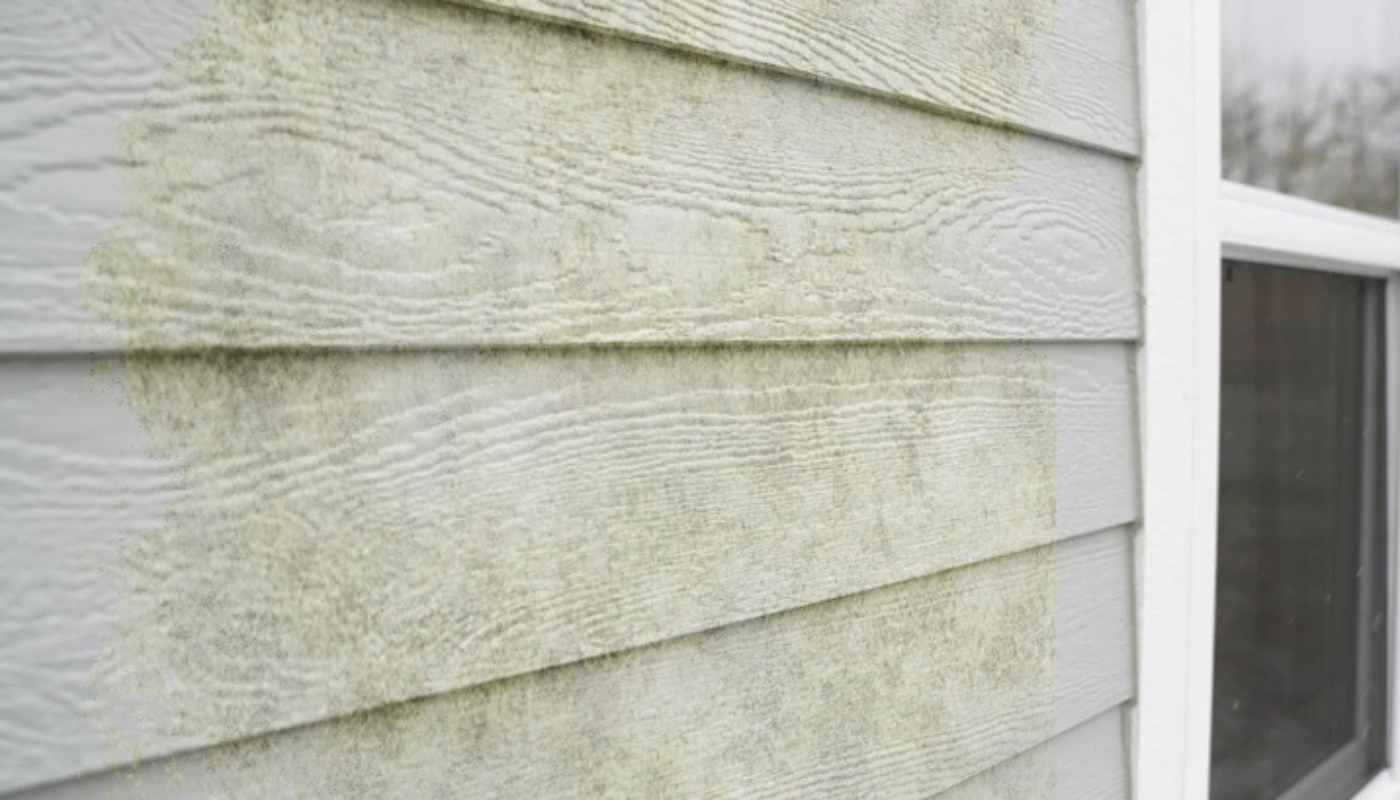
If you’ve noticed dark patches, green streaks, or black staining on your exterior walls, you may be dealing with mould, mildew or algae growth — one of the most common and damaging repainting home signs in coastal NSW.
In Newcastle and surrounding suburbs like Merewether, Stockton, Lake Macquarie and Charlestown, coastal conditions create the perfect breeding ground for biological growth on exterior surfaces.
Many homeowners assume it’s just dirt. Others try to wash it away, only to see it return within months.
But persistent mould growth isn’t just an aesthetic problem.
It can:
- Break down paint coatings
- Trap moisture against surfaces
- Lead to timber rot
- Spread into internal cavities
- Trigger respiratory health concerns
If you’re wondering when to repaint a house in Newcastle, recurring mould or algae growth is a strong indicator that your exterior paint system may be failing.
In this comprehensive guide, we’ll explain:
- Why mould thrives in coastal Newcastle
- The difference between mould, mildew and algae
- Why washing often isn’t enough
- The risks of ignoring it
- How professional exterior painters fix it properly
- How mould-resistant coatings protect your home
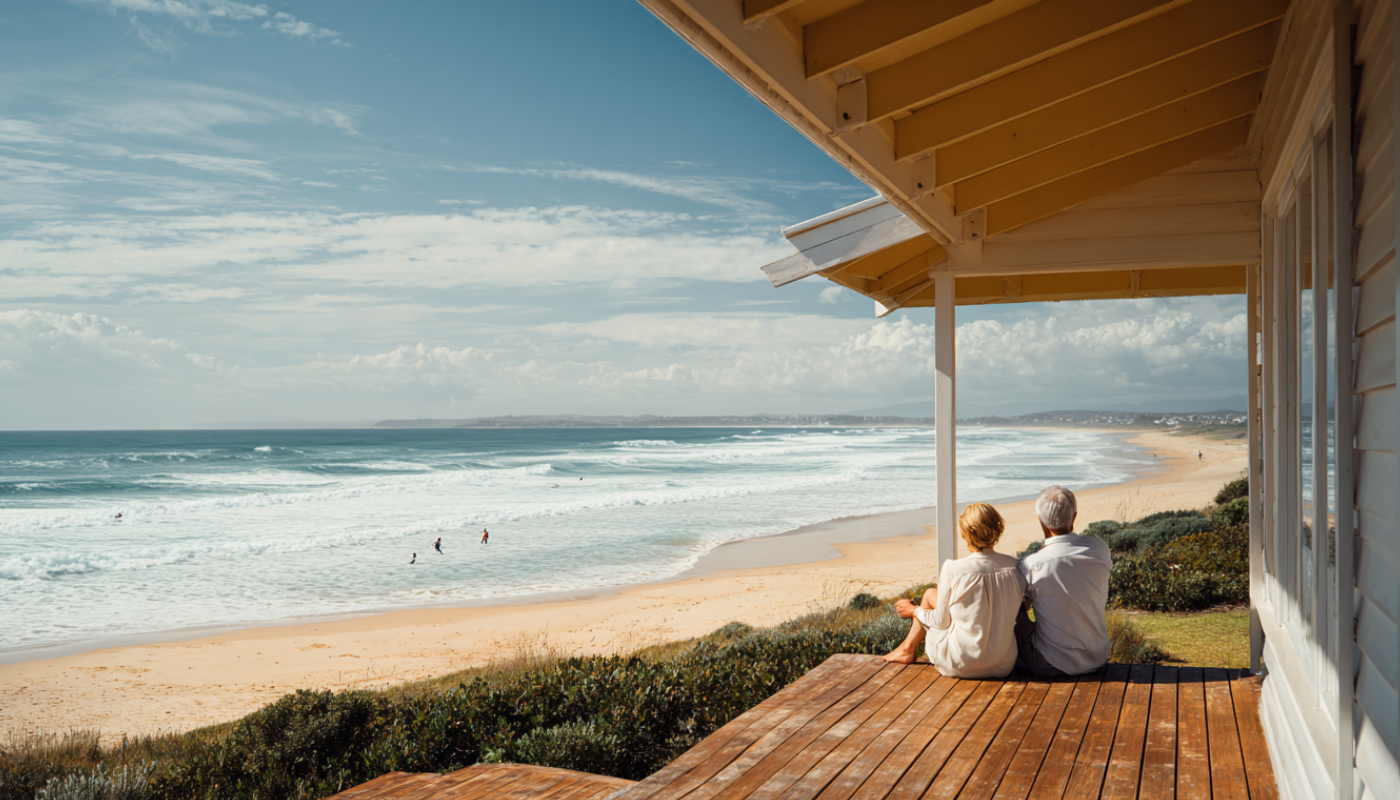
Why Coastal NSW Homes Are Especially Vulnerable
Newcastle’s climate combines several factors that encourage mould and algae growth:
- High humidity
- Salt-laden sea air
- Frequent rainfall
- Shaded walls from trees or neighbouring buildings
- Warm temperatures
Coastal suburbs are particularly affected because salt air holds moisture against painted surfaces.
Homes with limited direct sunlight — especially south-facing or shaded walls — often show the most visible growth.
If you’re searching for mould on exterior walls Newcastle, you’re not alone.
It’s one of the most common maintenance issues in the region.
Understanding the Difference: Mould vs Mildew vs Algae
Although the terms are often used interchangeably, they differ slightly.
Black Mould
Black mould appears as dark, spotty or patchy growth.
It thrives in:
- Damp environments
- Shaded walls
- Poorly ventilated areas
Black mould can cause respiratory irritation and is often the most concerning type.
Mildew Staining
Mildew typically appears as grey or brown powdery staining.
It tends to:
- Grow on painted surfaces
- Spread across wide areas
- Return quickly if untreated
Mildew is often an early-stage indicator of moisture issues.
Green Algae
Green algae often forms slimy or streaky patches, particularly on render or weatherboards.
It thrives where:
- Surfaces remain damp
- Salt residue builds up
- Drainage is poor
All three forms of biological growth signal that moisture is present — and where moisture exists, paint deterioration follows.
Why Mould and Algae Break Down Paint
Exterior paint is designed to repel water.
However, once mould or algae begin growing, they:
- Retain moisture against the surface
- Feed on organic material within the paint
- Gradually weaken adhesion
- Cause surface staining
Over time, mould growth accelerates paint failure.
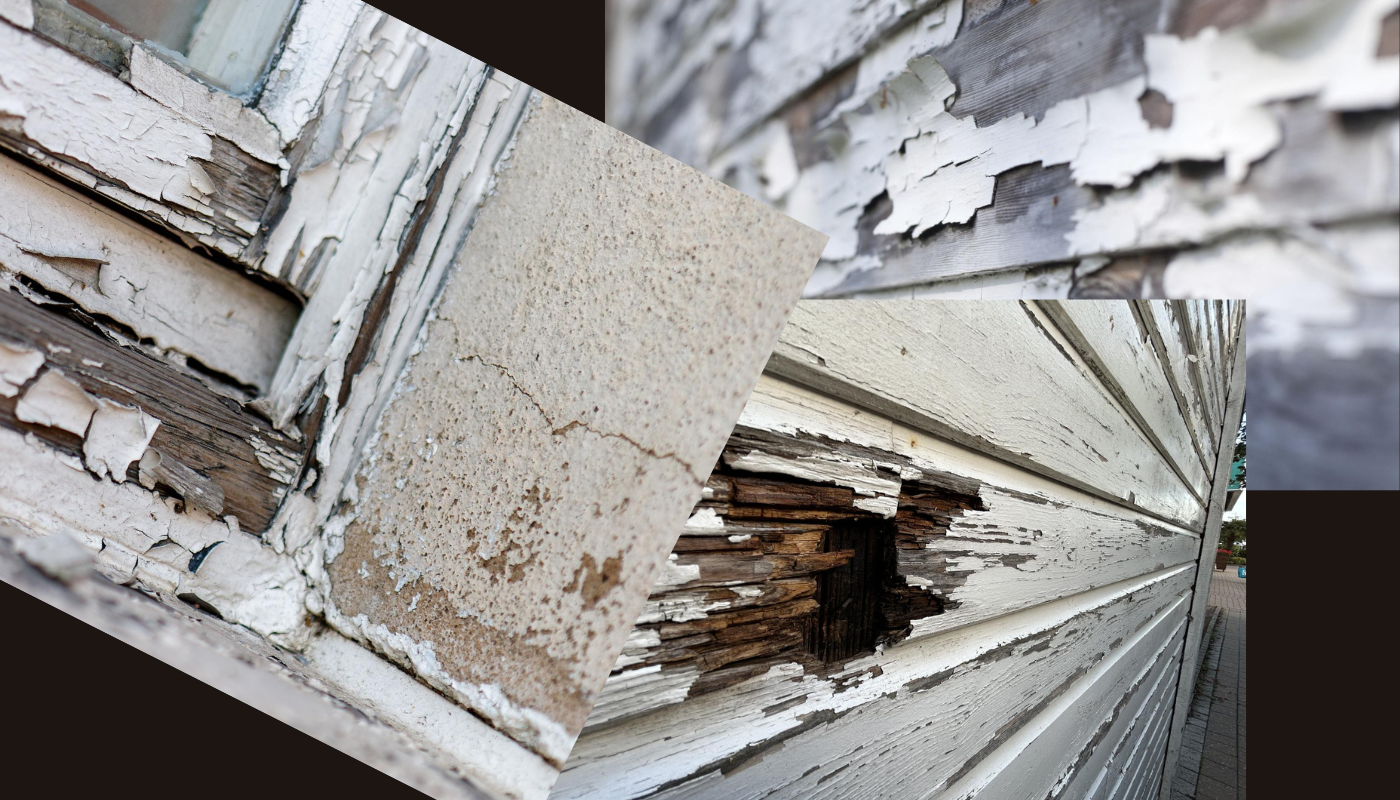
In Newcastle’s humid climate, untreated growth can quickly lead to peeling paint, blistering, and cracking.
If you’re researching exterior painters Newcastle, recurring mould is often one of the primary reasons homeowners request inspections.
When Washing Isn’t Enough
Many homeowners try:
- Pressure washing
- Bleach treatments
- Store-bought mould removers
While these methods may temporarily improve appearance, they often fail to address the root cause.
If mould returns within months, it likely indicates:
- Paint film deterioration
- Microscopic cracks trapping moisture
- Poor surface adhesion
- Inadequate previous preparation
If washing doesn’t remove it permanently, the paint system has likely deteriorated.
At that point, professional preparation and repainting with mould-resistant coatings may be necessary.
The Hidden Risks of Ignoring Exterior Mould
Ignoring mould growth can lead to serious structural consequences.
1. Timber Rot
Mould retains moisture against timber weatherboards.
Over time, this causes:
- Swelling
- Soft spots
- Fungal decay
- Structural weakening
Timber replacement is far more expensive than repainting.
2. Render Damage
On rendered homes, mould and algae can:
- Penetrate hairline cracks
- Increase moisture absorption
- Cause efflorescence
- Lead to cracking
3. Internal Moisture & Health Risks
Mould can:
- Spread into internal wall cavities
- Affect insulation
- Cause musty odours
- Trigger asthma or allergies
Black mould, in particular, poses respiratory risks.
Addressing exterior mould early prevents internal contamination.
Why Newcastle’s Climate Accelerates Growth
Newcastle’s coastal conditions create the perfect storm:
- Morning condensation
- Afternoon humidity
- Frequent rainfall
- Warm temperatures
Shaded walls in suburbs like Merewether and Lake Macquarie are particularly vulnerable.
If your home sits near dense vegetation or receives little direct sun, biological growth may develop faster.
Regular inspection is critical.
How Professional Exterior Painters Fix Mould Issues
Proper remediation involves more than surface cleaning.
Professional house painters Newcastle NSW follow a structured process:
- Pressure washing to remove loose contaminants
- Applying specialised anti-fungal treatments
- Allowing full drying time
- Repairing cracks and gaps
- Removing deteriorated paint
- Applying mould-resistant primer
- Using premium weatherproof exterior paint with anti-mould additives
Preparation is key.
Simply painting over mould without proper treatment guarantees recurrence.
Choosing Mould-Resistant Paint for Coastal Homes
When selecting paint for coastal home painting Newcastle, look for:
- Anti-fungal additives
- High UV resistance
- Flexible acrylic formulas
- Marine-grade durability
- Breathable yet water-resistant coatings
Premium paints significantly reduce the likelihood of mould recurrence.
Experienced exterior painters Newcastle can recommend products specifically designed for NSW coastal conditions.
When to Repaint a House with Persistent Mould
You should consider repainting if:
- Mould returns within months of cleaning
- Paint appears faded or chalky
- Peeling or blistering is present
- Timber shows moisture damage
- Growth spreads rapidly
If you’re unsure when to repaint house exterior Newcastle, recurring mould is one of the strongest indicators.
Delaying repainting allows biological growth to accelerate deterioration.
Preventative Maintenance Tips
To reduce mould growth:
- Wash exterior annually
- Improve drainage around foundations
- Trim overhanging trees
- Seal gaps around windows
- Ensure gutters are clear
- Allow airflow around walls
Regular maintenance extends paint lifespan and reduces moisture retention.
Render vs Weatherboard: Special Considerations
Rendered Homes
Rendered walls absorb moisture through micro-cracks.
Flexible coatings and proper crack repair are essential.
Timber Weatherboards
Timber requires:
- Thorough sanding
- Proper priming
- Sealing exposed areas
- Regular inspection
Ignoring mould on timber accelerates decay.
Why Professional Assessment Matters
DIY cleaning addresses symptoms, not causes.
Professional exterior painters Newcastle:
- Test moisture levels
- Identify hidden leaks
- Assess adhesion strength
- Recommend appropriate coatings
A comprehensive inspection ensures long-term protection.
Final Thoughts
Mould, mildew and algae growth are serious warning signs for Newcastle homeowners.
Coastal NSW homes are especially vulnerable due to humidity, shaded walls and sea air.
Beyond appearance, mould can:
- Break down paint coatings
- Cause respiratory issues
- Spread into internal cavities
- Lead to timber rot and render damage
If washing doesn’t remove it permanently, the paint system has likely deteriorated.
Professional preparation and repainting with mould-resistant coatings may be necessary to restore protection and durability.
Understanding when to repaint a house can prevent minor mould issues from becoming major structural problems.
If you’re noticing recurring mould growth on your Newcastle property, it may be time to consult experienced house painters Newcastle NSW locals trust.
Because in coastal NSW, exterior paint isn’t just decorative — it’s your home’s defence against moisture, salt and long-term damage.