Paint Chalking: The Hidden Warning Sign

Paint Chalking: The Hidden Warning Sign Newcastle Homeowners Shouldn’t Ignore
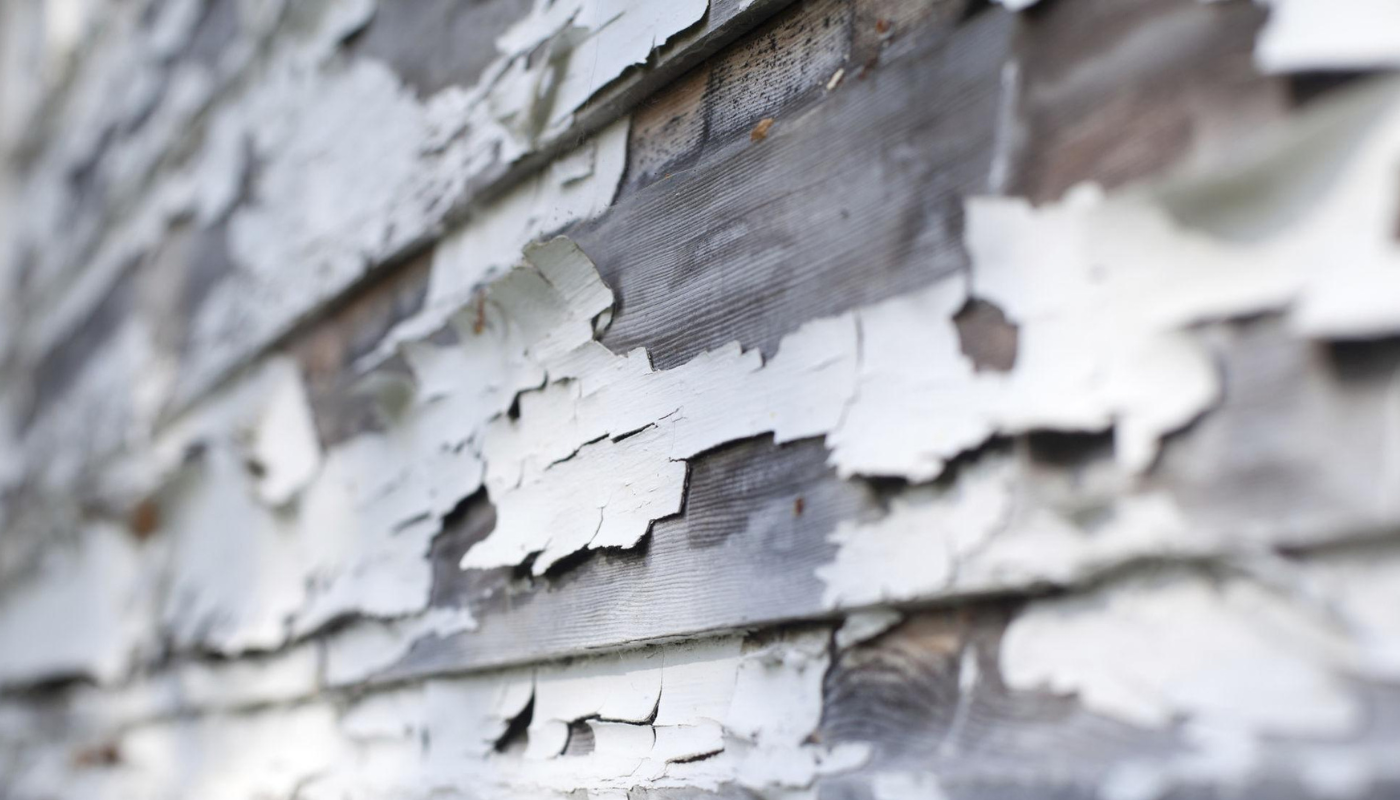
Have you ever rubbed your hand along your exterior wall and noticed a fine, powdery residue on your fingers?
That’s called paint chalking — and it’s one of the most overlooked repainting home signs in Newcastle.
At first glance, chalking may seem harmless. The paint still looks mostly intact. There’s no obvious peeling or blistering. But underneath the surface, the paint film is breaking down — and your home’s protective barrier is weakening.
In Newcastle’s coastal climate, where UV exposure is intense and salt air accelerates deterioration, paint chalking is often the early stage of widespread exterior paint failure.
If you’re wondering when to repaint a house in Newcastle, chalking is a clear signal that repainting may already be overdue.
In this comprehensive guide, we’ll cover:
- What paint chalking is
- Why it happens
- Why it’s common in coastal NSW
- The risks of ignoring it
- How professional exterior painters fix it properly
- How to prevent it in the future
What Is Paint Chalking?
Paint chalking occurs when UV radiation breaks down the binder in exterior paint.
Exterior paint is made up of:
- Pigments (which provide colour)
- Binders (which hold the paint film together)
- Additives (which enhance durability and performance)
Over time, Newcastle’s strong sunlight attacks the binder component. As the binder deteriorates, pigment particles become loose and rise to the surface as a fine, dusty powder.
When you run your hand along the wall and see a chalky residue — that’s degraded paint.
Chalking is often mistaken for dust or dirt. But it’s actually a chemical breakdown of the coating itself.
Why Paint Chalking Is So Common in Newcastle?
Newcastle homes face some of the harshest exterior conditions in NSW.
Coastal suburbs like:
- Merewether
- Stockton
- Bar Beach
- Lake Macquarie
experience:
- High UV exposure
- Salt-laden sea air
- Humidity fluctuations
- Temperature expansion and contraction
UV radiation is the primary driver of chalking.
North-facing and west-facing walls are particularly vulnerable because they receive prolonged sunlight throughout the day.
If your exterior walls feel powdery, especially on sun-exposed sides, you’re likely dealing with paint chalking.
Why Chalking Is More Serious Than It Looks
Paint chalking indicates:
- The paint film is deteriorating
- Moisture resistance is compromised
- Repainting is due
Once chalking begins, the protective properties of the paint start to fail.
This means:
- Water can penetrate more easily
- Adhesion weakens
- Cracks may begin forming
- Peeling and flaking often follow
If left untreated, chalking leads to accelerated paint failure and major adhesion problems during future repainting.
If you’re researching exterior painters Newcastle or trying to determine when to repaint house exterior, chalking is one of the earliest warning signs you shouldn’t ignore.
How Chalking Develops Over Time
Stage 1: UV Exposure Begins Breaking Down the Binder
Paint looks slightly dull but still intact.
Stage 2: Visible Fading Occurs
Colour becomes washed out. The surface loses sheen.
Stage 3: Powdery Residue Appears
Running your hand across the wall leaves visible chalk.
Stage 4: Moisture Penetration Increases
The paint film becomes porous and vulnerable.
Stage 5: Peeling and Flaking Begin
The coating detaches entirely.
Chalking is often the tipping point between cosmetic ageing and structural vulnerability.
How to Test for Paint Chalking
You can perform a simple test:
- Rub your hand across a sun-exposed wall.
- Check for white or coloured powder on your fingers.
- Wipe the wall with a dark cloth — look for residue.
If chalk transfers easily, repainting may be necessary.
Professional house painters Newcastle NSW often conduct adhesion and moisture tests to determine the severity of deterioration.
The Risks of Ignoring Chalking
Chalking weakens the paint barrier.
If ignored, it can lead to:
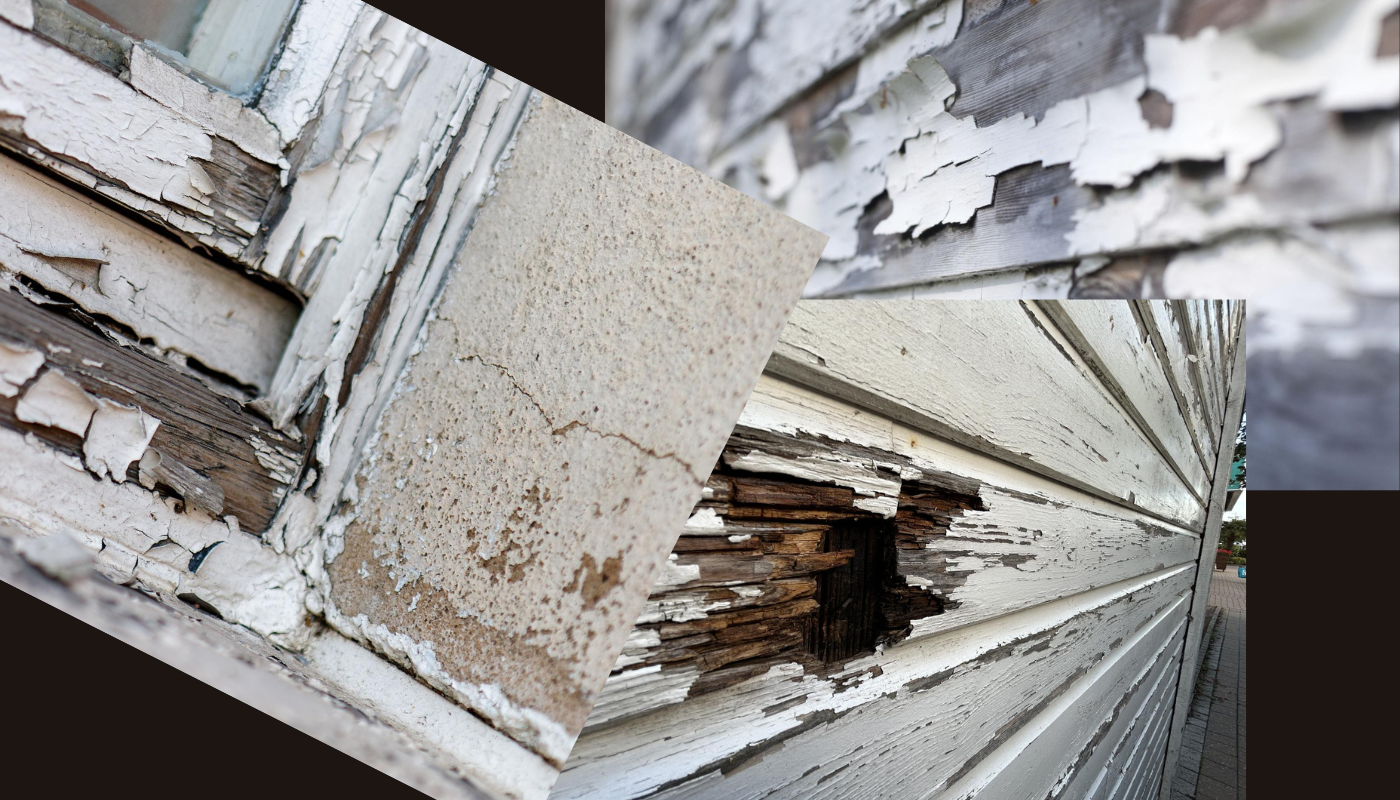
- Timber swelling
- Weatherboard rot
- Cracked render
- Efflorescence
- Internal moisture problems
- Mould growth
Once moisture penetrates the surface, repair costs increase significantly.
Compared to structural repairs, professional exterior repainting is preventative maintenance.
Why Chalking Creates Adhesion Problems
One of the biggest challenges with chalked surfaces is repainting adhesion.
If chalk residue isn’t removed properly:
- New paint cannot bond effectively
- Premature peeling occurs
- Blistering may develop
- Durability declines
That’s why experienced exterior painters Newcastle always:
- Pressure wash thoroughly
- Remove loose residue
- Sand unstable surfaces
- Apply proper primer
Skipping these steps leads to repeat failure.
How Professional Painters Fix Chalked Surfaces
A proper repaint process includes:
- Pressure washing to remove salt and chalk
- Allowing sufficient drying time
- Scraping unstable areas
- Sanding to ensure smooth adhesion
- Repairing cracks and gaps
- Applying high-quality primer
- Using premium weatherproof exterior paint
Professional preparation is often more labour-intensive than homeowners expect — but it’s essential for long-term durability.
Choosing the Right Paint to Prevent Chalking
To minimise future chalking, select:
- UV-resistant acrylic coatings
- Marine-grade weatherproof exterior paint
- Flexible paint systems
- Anti-mould additives
- Premium Australian-formulated products
Cheap paints break down faster under Newcastle’s coastal sun.
If you’re searching for coastal home painting Newcastle, ensure your painter uses high-performance products designed for marine environments.
How Often Should Newcastle Homes Be Repainted?
Typical repaint cycles in coastal NSW:
- High salt exposure areas: 5–8 years
- Moderate exposure zones: 7–10 years
- Sheltered areas: 8–12 years
If chalking is visible, you may already be past the optimal repaint window.
Regular inspections help prevent advanced deterioration.
Render vs Weatherboard:
How Chalking Affects Each
Rendered Surfaces
Chalking on render can:
- Highlight uneven patches
- Increase moisture absorption
- Lead to hairline cracking
Flexible coatings are essential for render protection.
Timber Weatherboards
On timber, chalking weakens protection against:
- Moisture intrusion
- UV expansion
- Rot and fungal decay
Timber surfaces require thorough sanding and priming before repainting.
Preventative Maintenance Tips
To slow chalking:
- Wash exterior walls annually
- Remove salt buildup
- Inspect sun-facing walls regularly
- Address minor fading early
- Schedule professional inspections
Preventative maintenance extends paint life significantly.
Why Professional Assessment Matters
DIY repainting over chalked surfaces often leads to poor results.
Professional house painters Newcastle NSW:
- Test adhesion strength
- Measure moisture levels
- Identify underlying issues
- Recommend appropriate coating systems
A thorough assessment ensures the new paint system performs long term.
Final Thoughts
Paint chalking may seem like a minor cosmetic issue — but it’s one of the clearest repainting home signs that your exterior coating is deteriorating.
When UV radiation breaks down the binder in exterior paint, the surface releases a fine, dusty powder. That powder is a signal:
- The paint film is failing
- Moisture resistance is compromised
- Repainting is due
If left untreated, chalking leads to accelerated paint failure and adhesion problems during future repainting.
In Newcastle’s coastal climate, early intervention protects your home from costly structural repairs.
If your exterior walls feel powdery or appear dull and faded, it may be time to consult experienced exterior painters Newcastle homeowners trust.
Because in coastal NSW, exterior paint isn’t just about colour — it’s about protecting your home from the elements year after year.